
“Sometimes you will never know the value of a moment until it becomes a memory.”
I grew up in a suburb of Philadephia PA, during the 1960s, a time when life was simpler, and the world felt much safer than it does today. Our neighborhood was a middle-class enclave filled with modest row and twin homes and hardworking families.
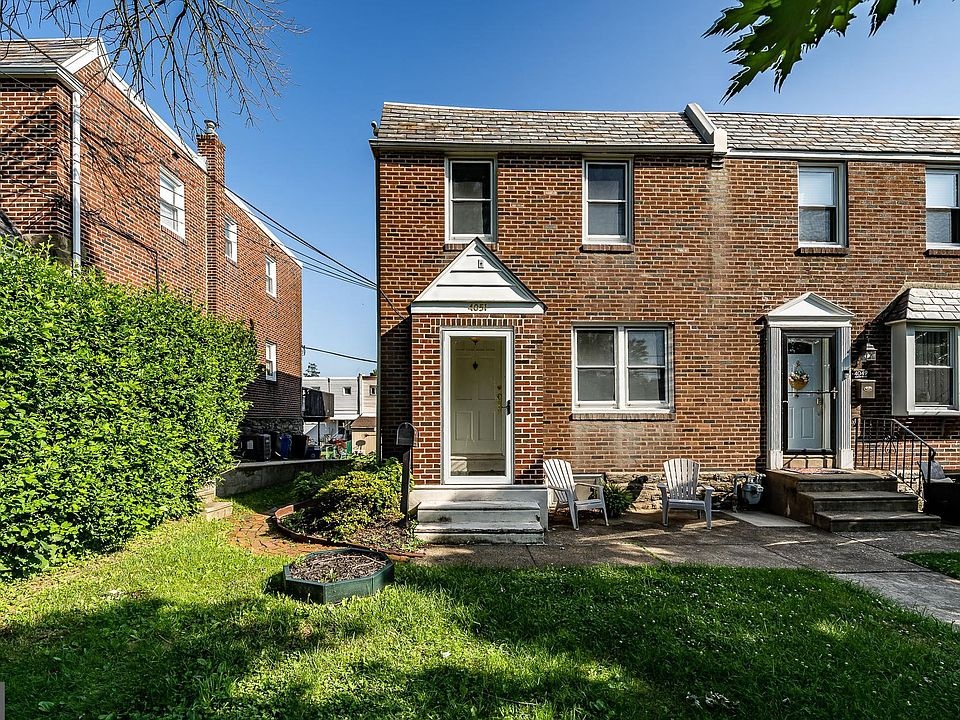
We lived in a 1,200-square-foot house with three small bedrooms and a single bathroom—a setup that required me to share a bedroom with my brother. My sister had her own room, but privacy was a rare luxury for all of us. For entertainment, we had one small 19-inch black-and-white TV where we watched our favorite shows each night, like Batman, The Flintstones, Superman, or The Beverly Hillbillies. Despite these tight quarters, our home was filled with warmth, love, and the occasional sibling squabble.
When I was 12 years old, my parents won the weekly 50/50 drawing held at at our Church. I still remember how each week, a man would go door to door selling tickets throughout the neighborhood. One week, to our amazement, our family won—$1,000!
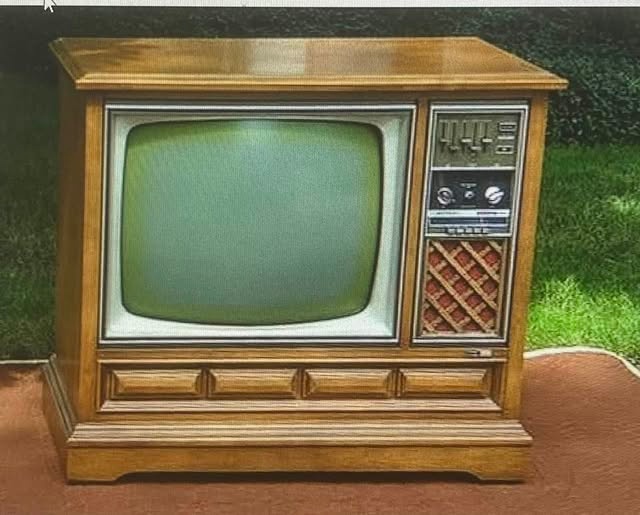
1969 26” Quasar Motorola Color TV
My father used the winnings to buy one of the first solid-state color televisions on the market: a 26-inch Quasar by Motorola. I remember him paying $600 for it—a small fortune back then. Adjusted for inflation, that’s the equivalent of about $5,140 today, a serious investment for a TV in 1969.
That television became the centerpiece of our home. Every afternoon after school, all the kids from the block would pile into our living room to watch Batman and Dark Shadows.
What a great memory—that feeling of pride, excitement, and the magic of early color television.
Life back then was different in so many ways. Parents weren’t as involved in their children’s daily activities as they are today. There were no scheduled playdates, organized sports, Boy Scouts, or structured activities; instead, we kids had the freedom to create our own adventures. We were like cats let out in the morning by our parents each day. During the long summer days, we would leave the house after breakfast and only return when the streetlights flickered on.
Our parents didn’t worry about us—they trusted that we’d be safe and knew that if we ever got into trouble, we could knock on any neighbor’s door for help. If we fell and cut our knee, we weren’t rushed to urgent care for medical attention. Our moms would wash it up, slap on a Band-Aid, and send us back outside. It was a time when communities truly looked out for one another.
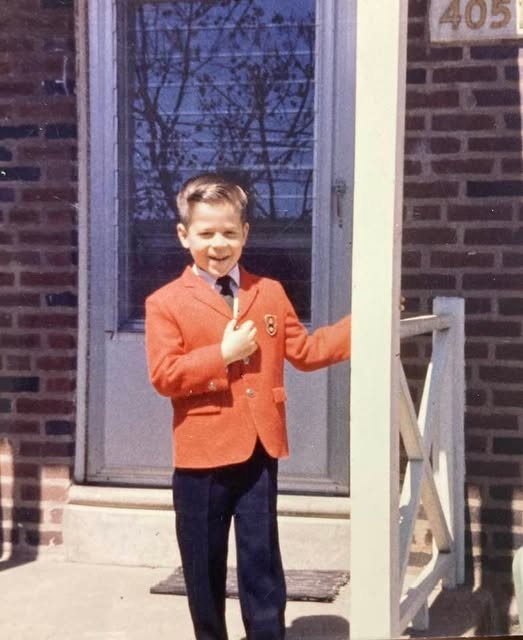
me
One of our favorite places to explore was “the woods,” conveniently located at the top of our street. This small patch of nature felt like an endless wilderness to our young imaginations. We’d build forts, play hide-and-seek, and wade in the cool waters of local streams. On hot days, those streams became our makeshift swimming pools, and we would splash around without a care in the world. We’d also bring our BB guns and slingshots, spending hours practicing our aim on makeshift targets and, unfortunately for them, some unsuspecting wildlife. There was no need for fancy toys or expensive gadgets; sticks, stones, and our imaginations were all we needed.
Street games were a staple of our childhood. Stickball was a neighborhood favorite, with kids using broomsticks and tennis balls to turn our quiet streets into makeshift baseball fields. Step ball was another simple game, requiring only a tennis ball and a set of cement steps.

Our Street
We also played Jailbreak (or as we sometimes called it, Buck Buck). This high-energy game involved players hiding while trying to avoid being tagged and sent to “jail” near a home base, usually a telephone pole. If a free teammate managed to sneak in and tag those in jail while shouting “Jailbreak!” everyone was freed. “Ollie Ollie Oxen Free!” was our call to bring everyone home safely. We also raced mini COX gas-powered cars on strings right on our street. Other days, we acted out epic battles, pretending to be soldiers in army or reenacting scenes from our favorite Westerns as cowboys and Indians. These games taught us teamwork, resilience, and creativity, all without a single adult supervising or organizing the fun.
Riding our bikes was another cherished pastime. We’d pedal for blocks, sometimes venturing miles from home. Helmets and GPS trackers were unheard of; instead, we relied on our sense of direction and the goodwill of strangers if we ever got lost. Our bikes were more than transportation—they were our ticket to freedom. I remember one time riding my bike from Drexel Hill six miles to my cousin’s house in West Philly on 63rd Street. Another time, I went all the way to Springton Reservoir in Marple, over seven miles away, just to go fishing. Playing on the trolley tracks was another pastime, where we would put pennies on the rails to have them flattened by the passing trolleys.
Earning our own money was another important part of growing up. We took on odd jobs for neighbors, cutting grass, raking leaves, and shoveling snow in the winter. These chores taught us the value of hard work and the satisfaction of earning something through our own efforts. It wasn’t just about the money—it was about contributing to the community and taking pride in a job well done.
Our daily routines also reflected the independence we were expected to have. We woke up, dressed ourselves, and walked to and from school without any supervision. When dinner time rolled around, we ate meals prepared from scratch by our mother. If we didn’t like what was on the menu, we went hungry—there were no special accommodations or alternate meals. Each evening, we drank sweetened, caffeinated iced tea with dinner, and if we cleaned our plates, we were rewarded with something special for dessert. I rarely had any trouble earning that reward, as I was always eager to finish whatever was on my plate.

Me and my Dad
After dinner, my father would watch the same news channel everyone in the country did: Walter Cronkite. Cronkite was revered for his straightforward and impartial reporting during a time when television news was the primary source of information for many Americans. His ability to convey trustworthiness and authority made him a unique figure in journalism. There was no “fake news” back then. After the news, we watched classic shows like Laugh-In, The Wonderful World of Disney, The Ed Sullivan Show, or The Dating Game, to name a few.
Our family owned one car, which my father used for work. Vacations were another aspect of our life that reflected the simplicity and practicality of the times. If our family took a trip, it was always to a destination within an hour or two of driving distance from our home. This meant that our vacations were almost exclusively to the New Jersey shore or the Pocono Mountains. The idea of flying somewhere for a vacation was entirely foreign to us; in fact, I never stepped foot on an airplane until I was an adult. Those trips, though modest, were magical in their own way. The beach at the Jersey Shore, with its boardwalks, salt air, and crashing waves, provided endless entertainment. Meanwhile, the Pocono Mountains offered quiet retreats where we could hike, fish, and enjoy the beauty of nature. These vacations weren’t extravagant, but they brought our family closer together and left us with memories that have lasted a lifetime.
The contrast between my childhood and the experiences of today’s kids couldn’t be starker. Today’s parents are deeply involved in every aspect of their children’s lives, from schoolwork to extracurricular activities. They guard them from any hardship and do everything they can to ensure they never shed a tear, lose a game, or face failure. Kids today seem to always get their way and grow into adults who struggle with adversity. Technology has replaced much of the unstructured play that defined my youth, with smartphones, video games, and social media dominating children’s free time.
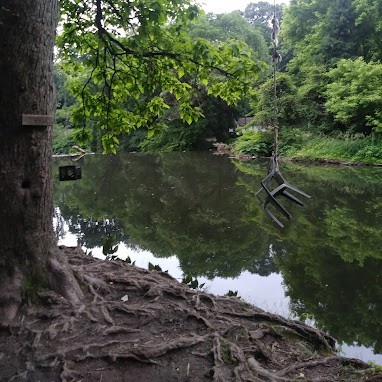
The Creek Down The Woods
Reflecting on those years, I realize how much they shaped who I am. Growing up in a tight-knit neighborhood, with the freedom to roam and the support of an entire community, instilled in me a sense of resilience and self-reliance. Those were truly the golden days, and I’m grateful to have experienced them.Add comment
Discover more from Beebop's
Subscribe to get the latest posts sent to your email.

 Beebop's