
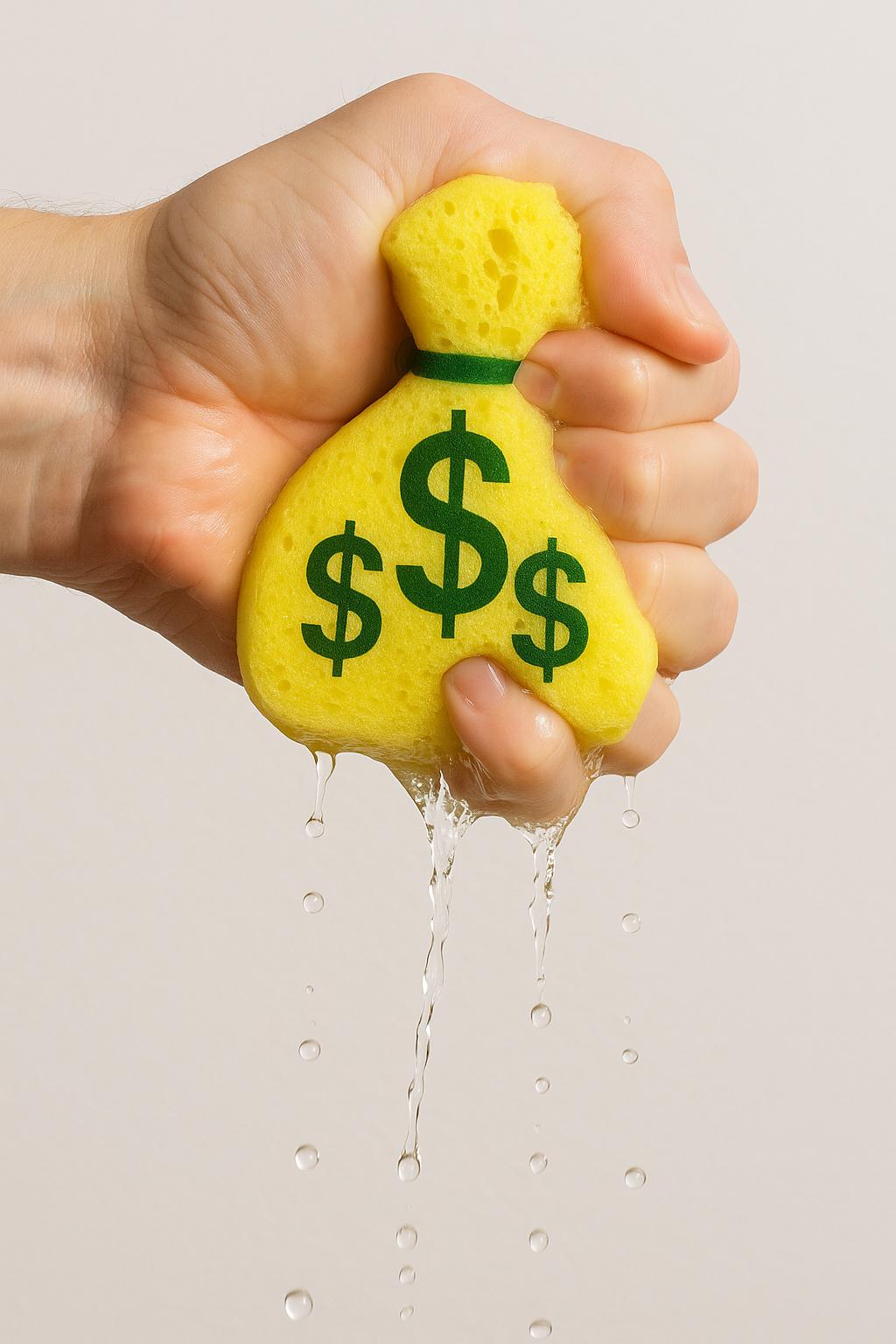
“We’ve squeezed enough water out. It’s time to stop drying things up.”
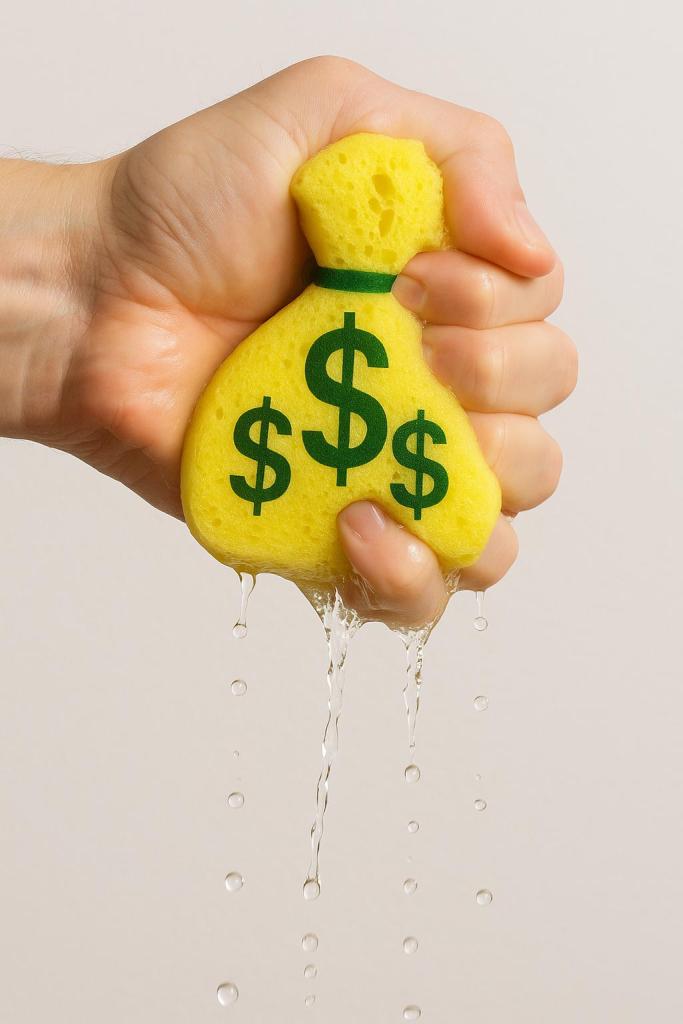
If you’ve ever squeezed a sponge, you already understand the Federal Reserve’s latest move.
For the past couple of years, the Fed has been practicing what’s called Quantitative Tightening — or QT for short. That’s just a fancy way of saying they’ve been pulling money out of the economy to cool things down and fight inflation.
Think of our economy as a big sponge full of water — and that water represents money.
When the economy gets too hot and prices start rising too fast, the Fed squeezes the sponge to get some of that extra water out. Less water means less money flowing around, borrowing gets harder, and spending slows down — all of which help calm inflation.
Now, when the Fed announces that it’s ending QT, what they’re really saying is this:
That doesn’t mean they’re pouring water back in yet — it just means they’re stopping the squeeze. The sponge stays moist, and the economy gets a breather.
For regular folks, that can mean:
- Interest rates may stop rising (and might even start to fall later).
- The stock market might perk up, since there’s less pressure on money supply.
- Borrowing — like car loans, credit cards, or mortgages — could get a bit easier over time.
Ending QT is often a sign that the Fed believes inflation is cooling and that the economy doesn’t need any more tightening.
So the next time you hear the phrase “The Fed is ending quantitative tightening,” just picture a sponge that’s finally being left alone — not squeezed, not flooded — just balanced.
Discover more from Beebop's
Subscribe to get the latest posts sent to your email.

 Beebop's