
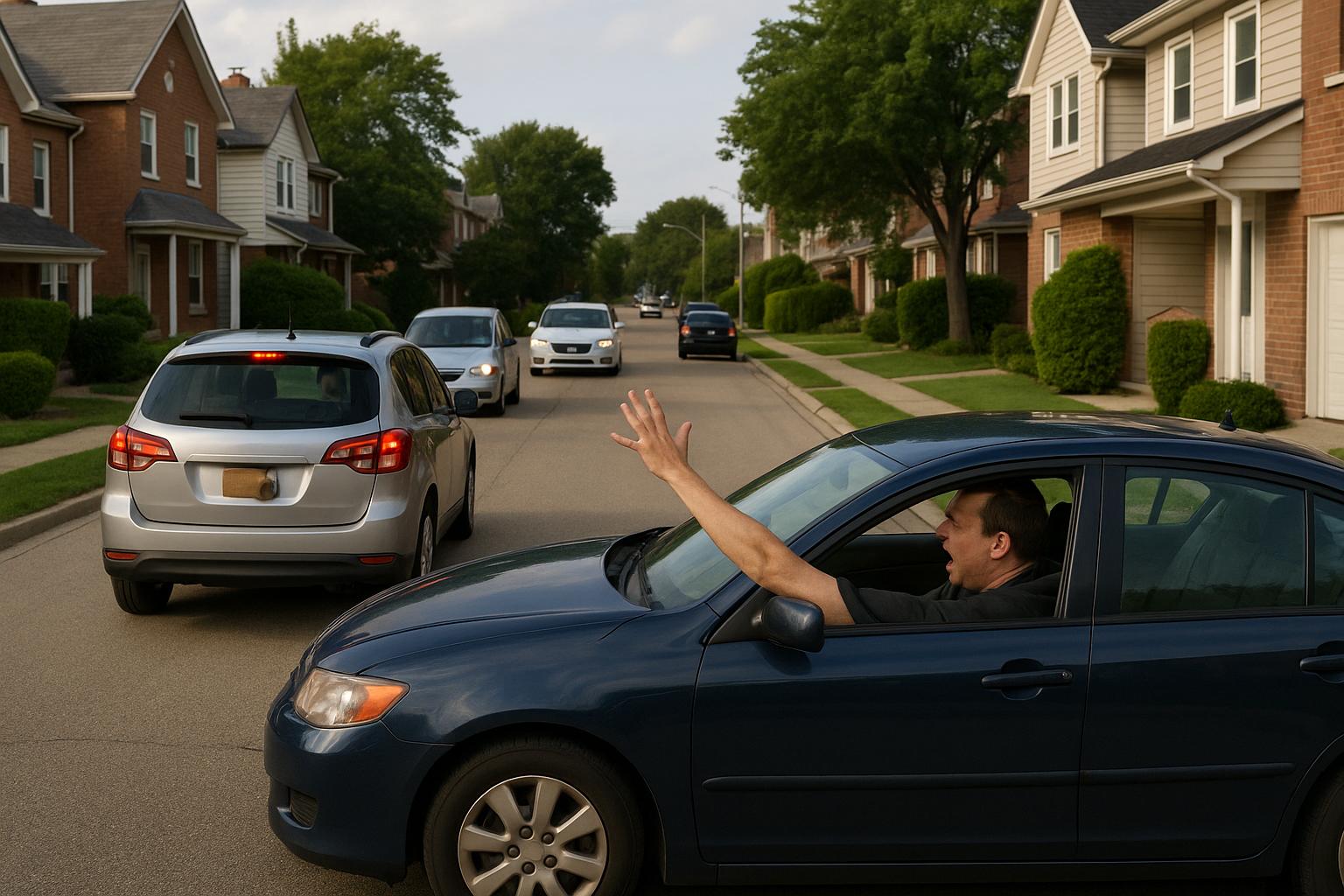
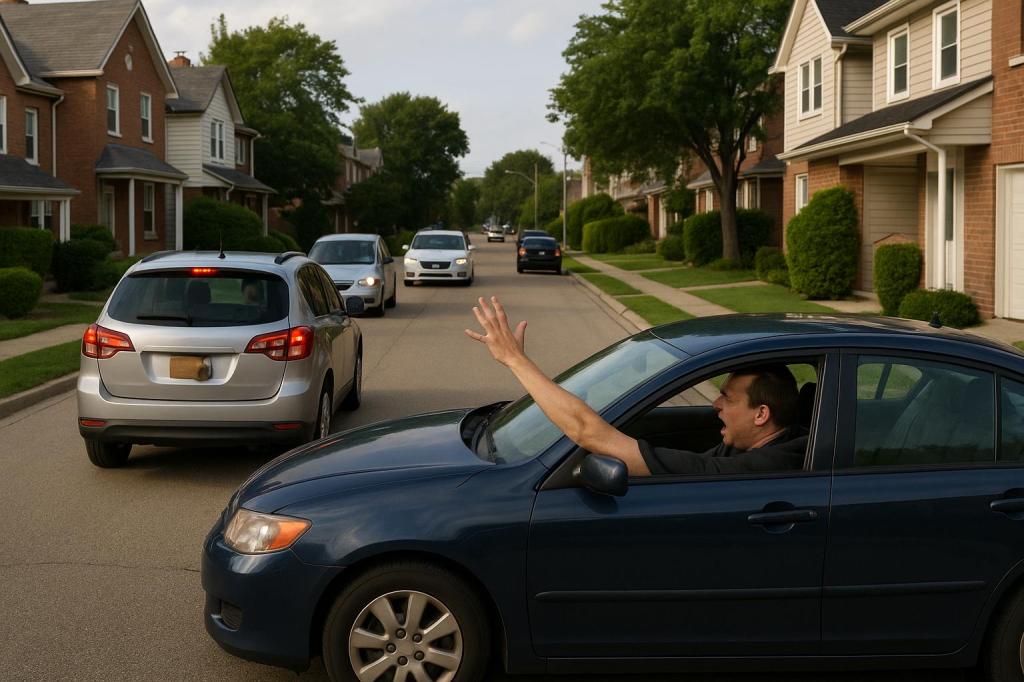
I used to enjoy sitting on my porch in the evening, watching kids ride their bikes and neighbors walk their dogs. It was peaceful—until the navigation apps took over. Now, thanks to Waze and other GPS shortcuts, our quiet residential street has turned into a daily highway for frustrated commuters trying to shave five minutes off their drive.
Cars come speeding through like they’re in a race—rolling through stop signs, honking impatiently when I slow down to back into my own driveway. Some drivers even rev their engines when they hit the straight stretch, ignoring that they’re just a few feet from where children play or people pull out of their garages. It’s chaos, and it’s not what our neighborhoods were meant to be.
The problem is, these apps don’t see communities—they see routes. They don’t know about kids chasing a basketball across the street or seniors taking an evening walk. They just find the fastest way from A to B, even if it means turning safe neighborhoods into speedways.
Something has to change. Local governments need to work with navigation companies to restrict routing through small residential streets that weren’t built for heavy traffic. Some towns are already doing this—adding “No Thru Traffic” signs, installing speed bumps, or digitally flagging roads as local-only so Waze and Google Maps stop suggesting them as shortcuts.
But it’s not just up to city planners and tech companies. Drivers need to take responsibility too. If you’re following a navigation app and find yourself cutting through a quiet neighborhood, slow down. Pretend your own kids live there. The few minutes you save aren’t worth the risk—or the stress you bring to the people who actually live on those streets.
Technology is supposed to make life easier. But when it starts disrupting the peace and safety of our homes, we have to speak up. Our neighborhoods shouldn’t be collateral damage in the race to save a few minutes on the road.
Discover more from Beebop's
Subscribe to get the latest posts sent to your email.

 Beebop's