

My recent experience with my 2016 VW Golf wagon made me realize something I should’ve understood a long time ago: buying a new car today is almost always a bad idea. Not just “maybe bad.” I mean flat-out guaranteed to cost you more than it’s worth.
You would think after the last 20–30 years of innovation, with all the computers, sensors, screens, and “advanced engineering,” car quality would be improving. You’d think we’d be at a point where most vehicles easily reach 200,000 miles or more. But somehow, with all this high-tech wizardry, cars are less reliable than the steel tanks we drove decades ago.
Back when I was young in the 70s, 80s, and 90s, if you took care of your car — changed the oil, did the maintenance, treated it halfway decent — you could run a vehicle to well over 100,000 miles. And back then, the engine wasn’t even the thing you worried about. Your biggest fear was rust. Always rust. Whether the floorboards were going to rot out from winter salt. Whether the fenders were going to bubble. Whether the interior was going to look like a family of raccoons clawed it for sport.
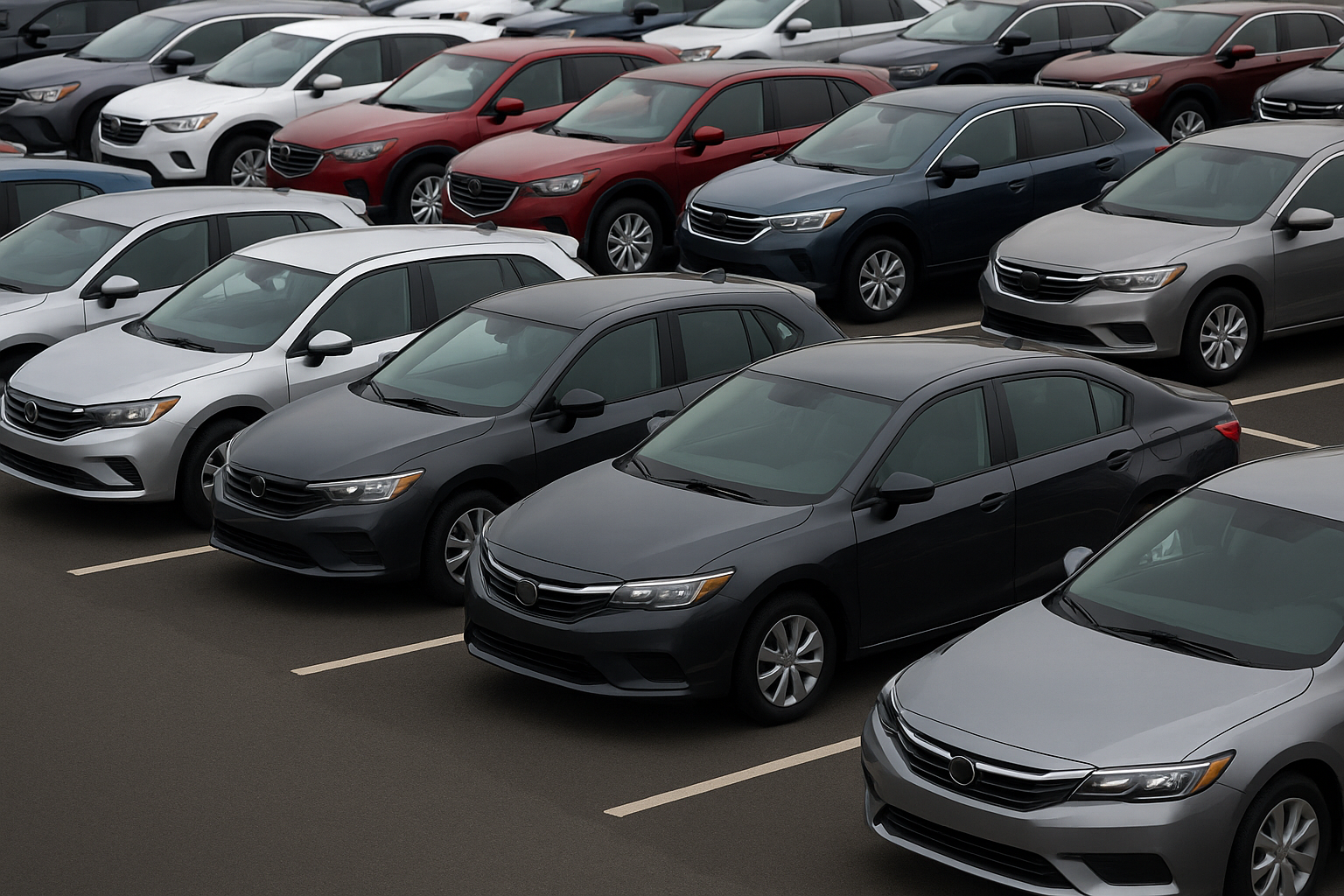
And cars changed every year. You could walk through a parking lot and identify every model. Manufacturers actually designed cars — real lines, real attitude, real personality. Today? Totally different game.
Cars don’t rust because half the body is plastic. They don’t change styles because everything is built in the same wind-tunnel shape. Look around — every SUV, every crossover, every sedan looks like it came out of the exact same mold… just offered in small, medium, or large. Interiors all have the same touchscreen, the same software, the same plastic, the same cheap modules built with expiration dates that always seem to line up perfectly with your warranty ending.
Which brings me to my story.
At 96,000 miles, right on schedule, my check engine light came on. But I’m old school — I change my oil every 5,000 miles. I take care of my cars. I figured it was something minor. A sensor. A coil. Something reasonable.
I take it to the VW dealership. The service advisor walks out with the same expression a doctor uses right before telling you to “sit down.” He goes, completely straight-faced:
“Your car needs a new engine.” That when I realized that they were not interested in fixing my car, they wanted me to trade it in for a new one.
At ninety-six thousand miles.
Then he adds, “One of your cylinders has no compression,” like he’s telling me a distant cousin just passed away. And without even blinking, he tells me the engine needs a full rebuild, and that it’s “cheaper” to just put in a brand-new engine.
That was the moment I took my keys, said thank you, and stormed out of the dealership before they tried to upsell me a casket for my supposedly dying engine.
Luckily, I found an actual shop — a place that specializes in German cars: VWs, BMWs, Porsches, Mercedes. Mechanics who actually fix things, not Dealer service writers who practice saying “That’ll be $8,800” in the mirror every morning.
They looked at it, ran the tests, and guess what?
It wasn’t the engine.
It wasn’t the compression.
It wasn’t a rebuild.
It wasn’t a new engine.
It was the turbo.
A turbo. A known weak spot in modern cars because companies build these things like disposable appliances. A repair that cost a tiny fraction of what the dealership tried to sell me. It was not cheap but a lot less than a new car and with no check engine light.
That was it. That was the moment I said to myself: I’m done. Cars today are disposable plastic machines, all software and sensors, designed to last exactly as long as the warranty. Back then, cars lasted until the rust took them. Today, they last until the computers decide they’ve “lived enough.”
And honestly? I think my next car won’t be anything new at all. I’m done with plastic appliances pretending to be cars. I’m going back to something with a pulse. Something with personality. Something from the 80s — back when cars still had square edges and didn’t all look like soap bars left in the shower too long.
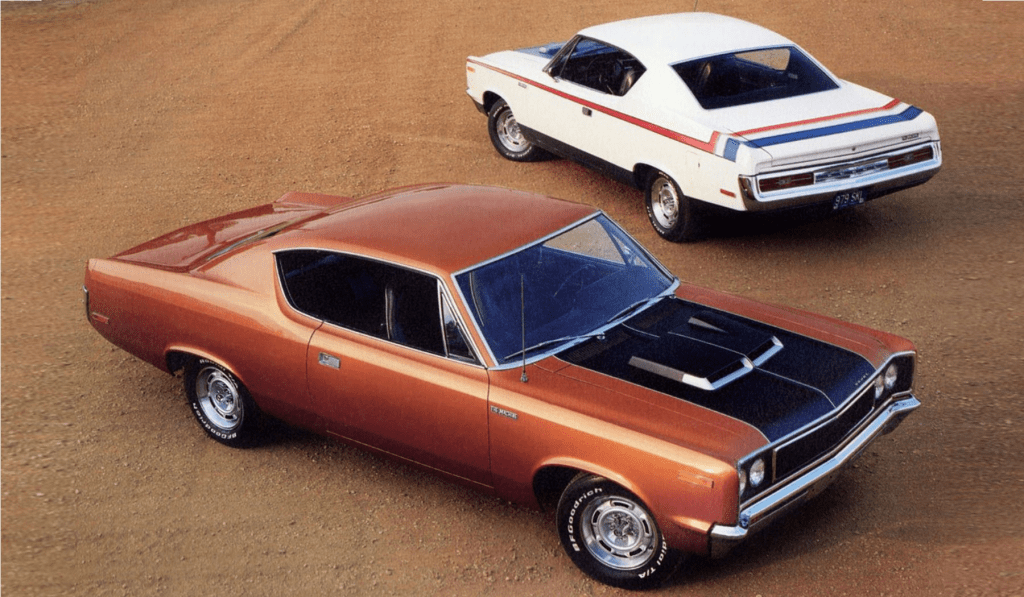
Maybe I’ll roll up in a fully restored 1987 Monte Carlo SS, the kind of car that makes strangers shout, “Hey, I had that in high school!” Or maybe a Fox-body Mustang GT, the official car of questionable decisions and even worse hairstyles. Or a Camaro IROC-Z, which comes with T-tops, an attitude problem, and a soundtrack that’s 90% Bon Jovi.
Or maybe even…
even…
a Pontiac Trans Am — the one with the giant screaming chicken on the hood. Nothing says class like a ten-foot flaming bird charging at traffic.
Or maybe I’ll go full executive mode with a 1990 Lexus LS400 — rear-wheel drive, big V8, smooth as butter, built back when Lexus was trying to out-Mercedes Mercedes. And honestly, I don’t drive in snow anymore anyway, so why not glide through life like Japanese royalty?
Or maybe I’ll double as an undercover FBI agent in a 1980 Oldsmobile Delta 88 — because nothing says “government surveillance unit” like a giant boxy sedan that gets 11 miles to the gallon.
The best part? I could probably get any of these cars restored for less than a brand-new Hyundai — a car that comes with seven computers, three screens, and a warranty that expires the moment you sneeze near the dashboard.
Maybe I’ll really lose it and grab a brick-shaped Volvo 240 wagon, the car that refuses to die. Or a Mercedes 300TD turbo diesel, which might actually outlive the human race.
One thing’s for sure: whatever I get next, it won’t be another look-alike, plastic, small-medium-or-large jellybean with an expiration date. I want something that makes me smile — not something that tells me my turbo, oxygen sensor, and left-front emotional support module all failed at the same time.
Discover more from Beebop's
Subscribe to get the latest posts sent to your email.

 Beebop's