
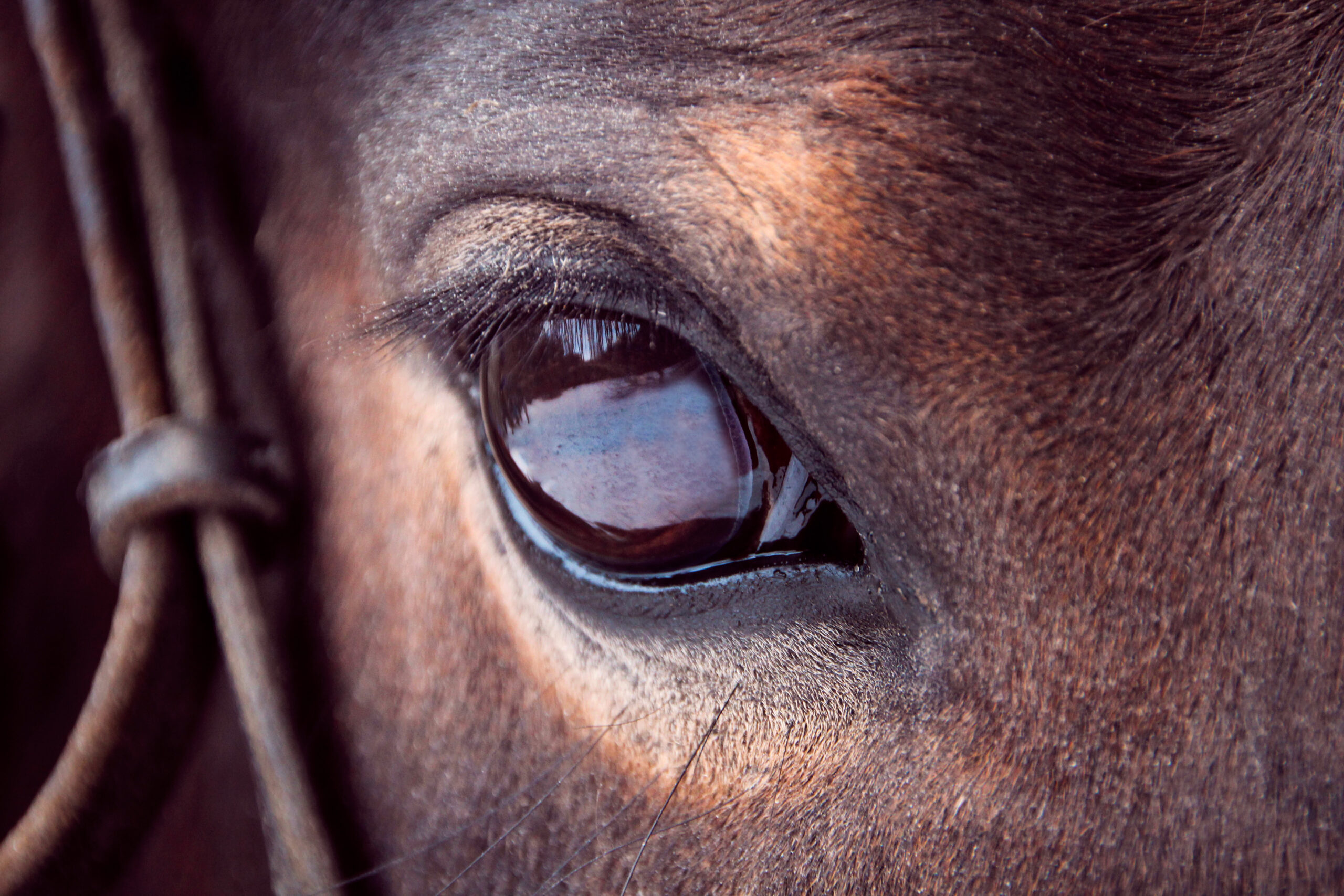


My favorite animal is the horse.
I don’t own a horse. I’ve never ridden one. I don’t have a romantic backstory involving barns, saddles, or wide-open western land. But when I think about the animal that has quietly, faithfully, and profoundly shaped human history more than almost any other, I always come back to the horse.
For most of human existence, the horse wasn’t a hobby or a luxury. It was the engine of civilization.
Before electricity, before engines, before railroads and airplanes, the speed of human progress was measured in hoofbeats. How far a message could travel, how quickly an army could move, how much land could be farmed, how connected distant communities could become—all of it depended on the horse. Empires rose and expanded at the pace a horse could maintain. Trade routes followed paths first worn by hooves. Roads we still use today trace routes chosen centuries ago by horses looking for the safest and most efficient way through the land.
What makes the story even more remarkable is where horses originally came from.
Most people assume horses originated in Europe or Asia, but their earliest ancestors actually evolved in North America more than 50 million years ago. Those early horses were small, forest-dwelling animals, slowly adapting over millions of years as climates changed and grasslands spread. They grew larger, faster, and stronger, eventually becoming the single-hoofed animals we recognize today.
Then, near the end of the last Ice Age, horses vanished from North America entirely. Climate shifts and human hunting wiped them out here. But before that happened, some horses had crossed the Bering land bridge into Asia. Those populations survived, spread, and became central to human development across the Eurasian steppe.
Around 5,500 years ago, humans began domesticating horses. That moment didn’t just change transportation—it rewired civilization itself. Suddenly, humans could move faster than ever before. They could farm more land, defend territories, communicate across vast distances, and explore regions that were previously unreachable. The horse multiplied human capability in a way nothing else ever had.
And then, centuries later, horses returned to North America.
Spanish explorers reintroduced them in the late 1400s and early 1500s, bringing the horse back to the continent where its story began. Indigenous peoples, especially on the Great Plains, adapted to horses with astonishing speed. Entire cultures transformed almost overnight. Hunting, warfare, trade, and daily life evolved around this powerful new partner. The horse didn’t just change history—it reshaped identity.
But strength alone doesn’t explain why the horse mattered so much.
What truly sets horses apart is their intelligence and their relationship with humans.
Horses read people in ways that still surprise researchers. They recognize individual humans. They remember how they’ve been treated. They respond to tone, posture, energy, and emotion long before a word is spoken. A horse knows when you’re calm, when you’re afraid, when you’re uncertain. That isn’t simple instinct. That’s awareness.
Their sense of navigation is equally astonishing. Horses can travel long distances and remember routes, terrain, water sources, and landmarks. For centuries, people trusted horses to guide them through forests, mountains, plains, and deserts—often surrendering the reins entirely when conditions were dangerous or visibility was poor. Time and again, horses brought humans home when humans could not have done it alone.
And then there’s the bond.
Unlike many domesticated animals, horses don’t merely tolerate humans. They form relationships. They grieve the loss of companions. They show loyalty. They cooperate rather than simply obey. That distinction matters. A horse is powerful enough to reject us entirely, yet it chooses partnership. That kind of trust is rare.
When you step back and look at the full picture—history, biology, intelligence, temperament—it’s hard not to feel that something deeper is at work.
The horse arrived with exactly the traits humanity needed at exactly the right time. Strength without savagery. Speed without chaos. Intelligence without domination. Endurance without cruelty. They could pull a plow all day, carry a rider into battle, then stand quietly beside a family at night. They helped build nations, feed populations, connect cultures, and shape the modern world.
I can’t help but believe that the hand of God Himself placed these creatures among us for our benefit.
Not as machines. Not as tools. But as partners.
Even today, long after engines replaced hooves, horses still affect us in ways technology never can. They calm people. They heal. They teach patience, humility, and trust. Children gain confidence around them. Adults rediscover perspective. There’s something grounding about standing next to an animal that once carried the weight of the world on its back.
So when someone asks me my favorite animal, my answer isn’t based on ownership or experience.
It’s based on gratitude.
The horse didn’t just walk alongside human history.
It understood us well enough to help carry us through it.
Discover more from Beebop's
Subscribe to get the latest posts sent to your email.

 Beebop's