
Every time I watch the news or listen to a podcast after a major crime, the questions come fast and loud. Who was the shooter? What were they thinking? Was this preventable? Who dropped the ball? What’s in the files? Why haven’t they released the video? Who knew what, and when did they know it? When will charges be filed? When will we see justice? And behind all of it is the same underlying impatience — the public isn’t satisfied unless every detail is known, every motive explained, every outcome delivered immediately.
And I get it. When something horrific happens, the need for answers feels urgent. Silence feels suspicious. Time feels like avoidance. But somewhere along the way, we’ve started confusing immediate disclosure with actual progress.
Because if you step back and look at the numbers from January 2025 through January 2026, something big changed. And it’s not subtle.
Across forty major U.S. cities that report monthly crime data consistently, homicides dropped 21 percent in 2025 compared to 2024. That isn’t a rounding error. That’s 922 fewer people killed in one year. That’s one of the largest single-year drops in homicide ever recorded in modern data.
Carjackings fell 43 percent compared to the year before. In some cities, the drop was even sharper. Robberies were down. Aggravated assaults were down. Violent crime overall fell back to levels not seen since before the pandemic surge.
That didn’t happen in 2019. It didn’t happen in 2022. It didn’t even happen in 2024. It happened this past year.
At the same time, federal law enforcement wasn’t just issuing press releases — they were stacking real numbers.
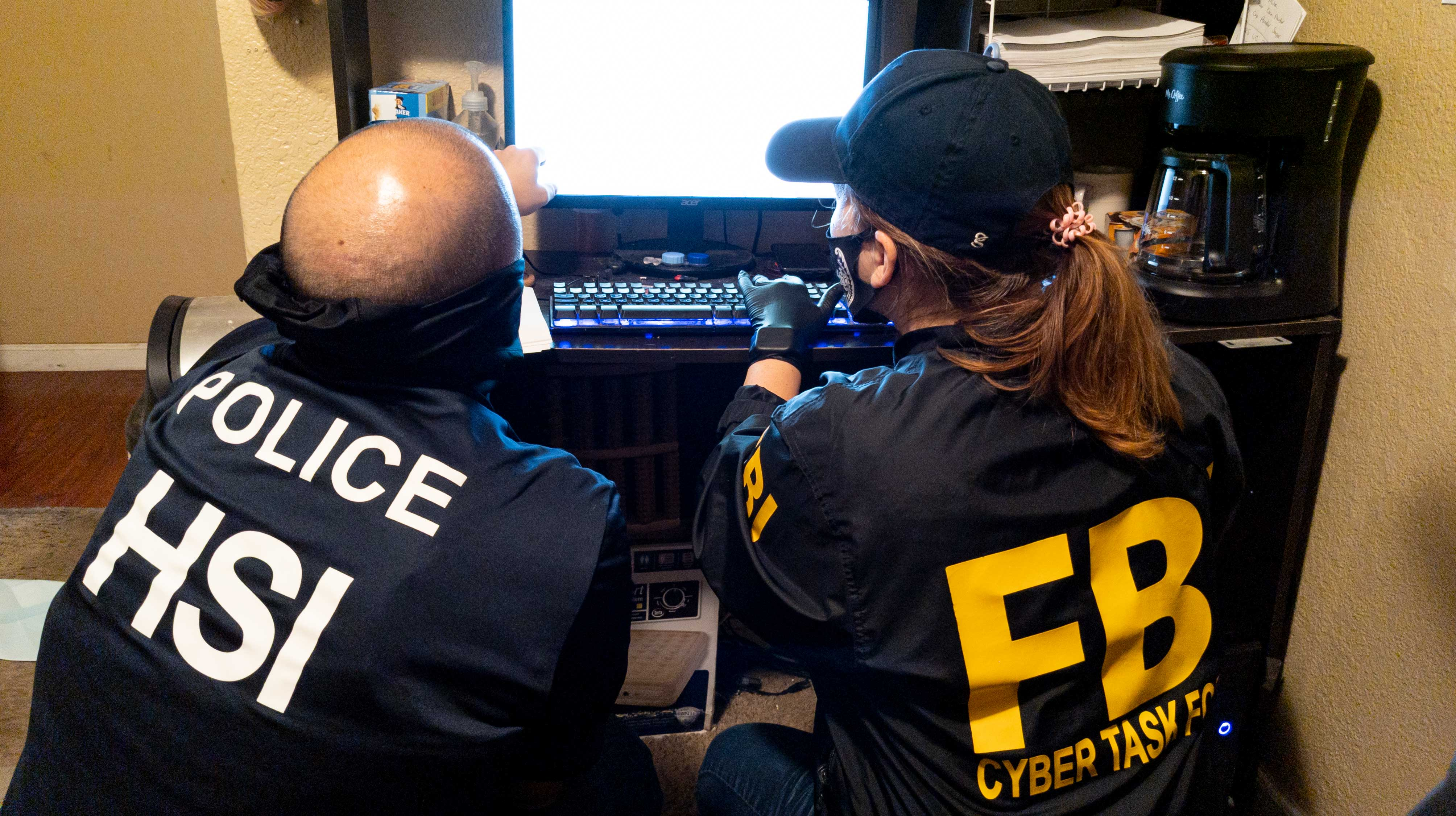
In May 2025, a nationwide FBI-led operation targeting child sexual exploitation resulted in 205 arrests and 115 children rescued in a single coordinated sweep. Not investigations opened. Not warrants served. Arrests and rescues.
Seven months later, in December, another nationwide operation produced 293 more arrests and 205 additional child victims located. Same year. Same coordinated effort. Those aren’t symbolic wins. Those are lives pulled out of real harm.
In July, a major dark-web child exploitation network was dismantled. Multiple platforms shut down. Nineteen U.S. arrests, additional arrests overseas, and over 300 combined years of prison sentences handed down. Entire infrastructure removed, not just one bad actor replaced by the next.
On the drug front, federal agents seized over 400 kilograms of fentanyl in a single operation — the largest fentanyl bust ever recorded. Millions of lethal doses never made it to the street. Sixteen high-level arrests tied directly to cartel supply chains, not corner dealers.
Cybercrime infrastructure took hits too. Criminal forums that had operated openly for years were seized. Money-laundering services used to cash out ransomware profits were dismantled, with tens of millions of dollars in illicit transactions traced.
And just days into January 2026, law enforcement announced it had disrupted an alleged New Year’s Eve attack before it happened. No aftermath. No memorials. Just a quiet prevention that barely registered outside a short headline.
Put all of that together and ask yourself a simple question.
If murders are down over twenty percent in one year, if carjackings are collapsing, if record quantities of fentanyl are being seized, if hundreds of child predators are being arrested and children rescued, if attacks are being stopped before they make the evening news — why does it feel like none of this counts?
Why are we focused on what we don’t know?
And every time numbers like this come up, the response is almost predictable.
“Yeah, but what about…?”
What about my city?
What about that crime I just saw on the news?
What about the case that hasn’t gone to trial yet?
When will we see justice?
Those are fair questions. They just aren’t reasons to ignore what’s actually happening.
Justice doesn’t arrive on a nightly news cycle. Investigations don’t conclude on demand. Courts move slowly because they’re designed to. Evidence has to be gathered, reviewed, challenged, and protected. What law enforcement can say publicly is limited for a reason — because saying too much, too soon, risks collapsing years of work and handing a defense attorney exactly what they need to argue a mistrial.
So instead of spectacle, we get silence. Instead of constant updates, we get restraint.
That restraint isn’t failure. It’s professionalism. In a world where clicks, viewers and likes equal revenue, outrage sells, patience doesn’t, and demanding answers before they exist or can be released becomes part of the content strategy. Outrage is long forgotten once the news moves to the next big story.
It’s also why results matter more than commentary. Trust doesn’t mean blind faith — it means staying focused on outcomes instead of feeding the demand for instant closure. Especially when the outcomes, by any honest measure, show real progress.
The irony is that the most reliable facts are the least emotional ones. Arrest counts. Seizure totals. Year-over-year comparisons. Bodies that didn’t hit the street. Children who were pulled out quietly and handed back to families without cameras rolling. Crimes that never occurred because someone intervened early enough.
These are not disputed numbers. No one is arguing over them. They’re public. They’re verifiable. They’re just ignored.
Because prevention has no headline.
Because patience doesn’t sell.
Because “this is working” feels less urgent than “this is broken.”
So the conversation keeps resetting back to outrage, as if progress doesn’t count unless perfection comes with it.
There’s also a hard truth most people don’t like to hear.
The public can’t always know everything — because sometimes knowing everything lets the bad guy walk.
Cases fall apart when details are released too early. Witnesses get compromised. Evidence gets challenged. Jurors get tainted. Years of work can be undone by one careless sound bite. Silence, in many cases, isn’t avoidance — it’s discipline.
Law enforcement doesn’t get credit for the things it can’t talk about. The investigations still underway. The trials that haven’t started. The evidence that needs to stay sealed until the moment it’s used in court. Justice takes time because it has to survive scrutiny, not just satisfy impatience.
So instead of focusing on what can’t be said yet, the only honest way to judge progress is to look at what can be released — the statistics, the arrests, the seizures, the year-over-year outcomes that no one is disputing.
Those numbers tell a clear story.
Crime dropped sharply this past year. Violent crime fell. Murders fell. Major criminal networks were disrupted. Children were rescued. Drugs were intercepted. Attacks were prevented. And none of those facts are in dispute.
They’re just inconvenient to a narrative that only recognizes failure.
Maybe the question isn’t why we aren’t hearing more about this.
Maybe the question is whether we’ve become so conditioned to outrage that we no longer recognize progress when it doesn’t come with sirens, mugshots, and instant closure.
Because sometimes the most responsible thing the system can do — especially in the wake of real, measurable success — is to keep working, say little, and let the results speak when the time is right.
And when you actually look at the results from the past year, they speak louder than most willing to admit.
Discover more from Beebop's
Subscribe to get the latest posts sent to your email.

 Beebop's