
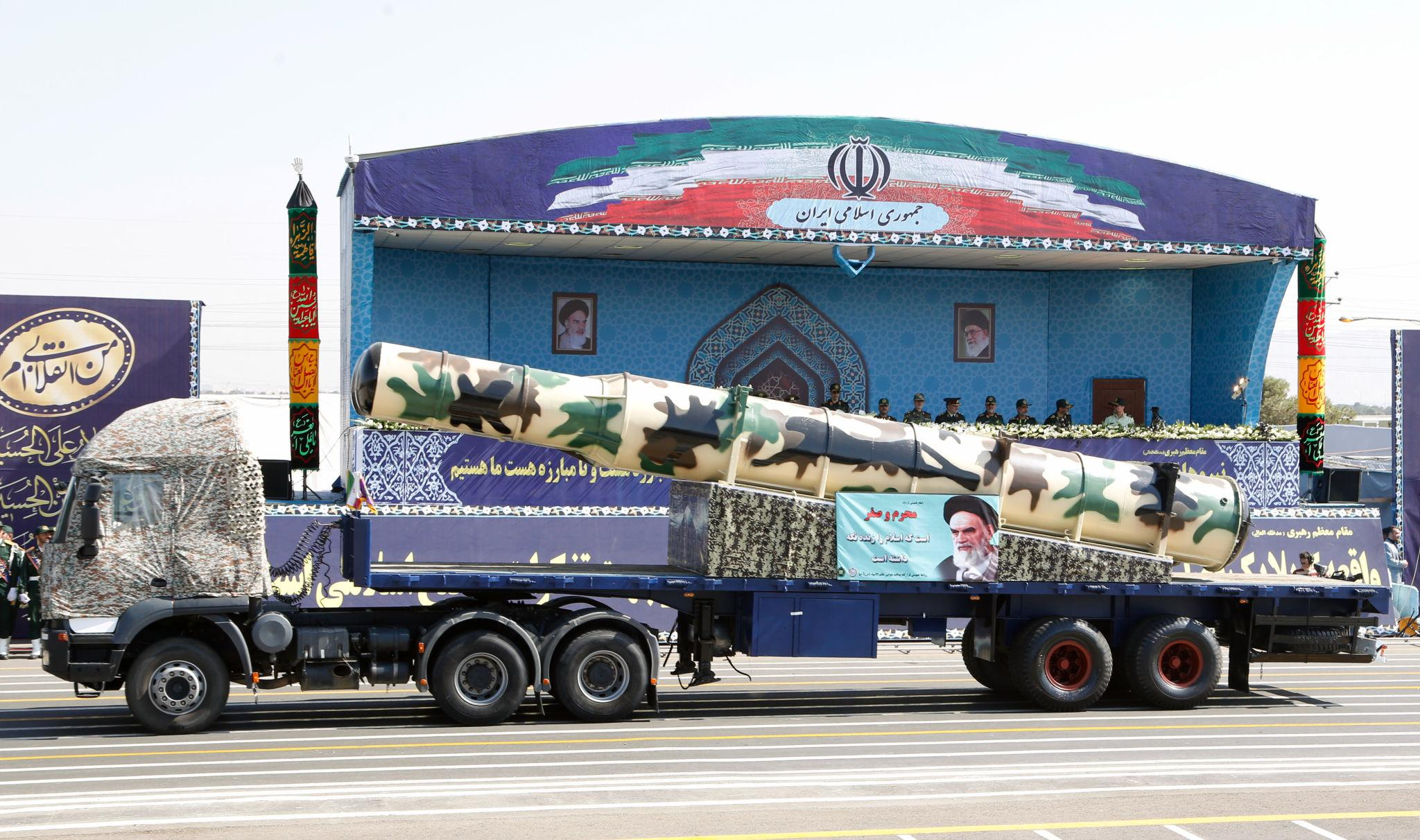
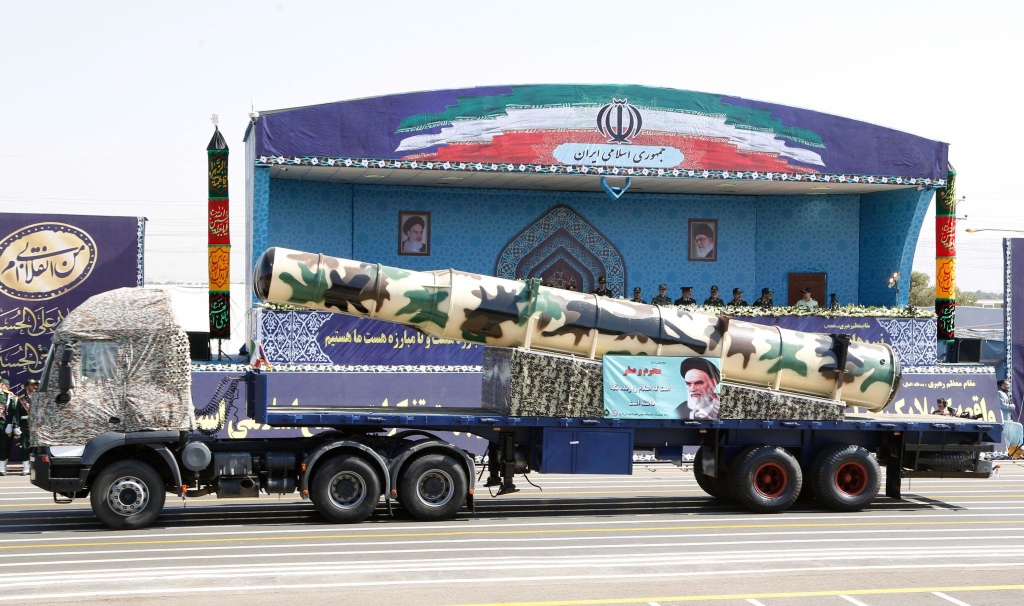
People keep talking about regime change in Iran as if it could happen quickly — maybe the people rise up, maybe outside pressure builds, maybe the government simply collapses. History shows that almost never happens that way. Governments usually stay in power as long as they can control their population, and that control comes from power. In simple terms, power comes from who controls the military and the weapons of the state.
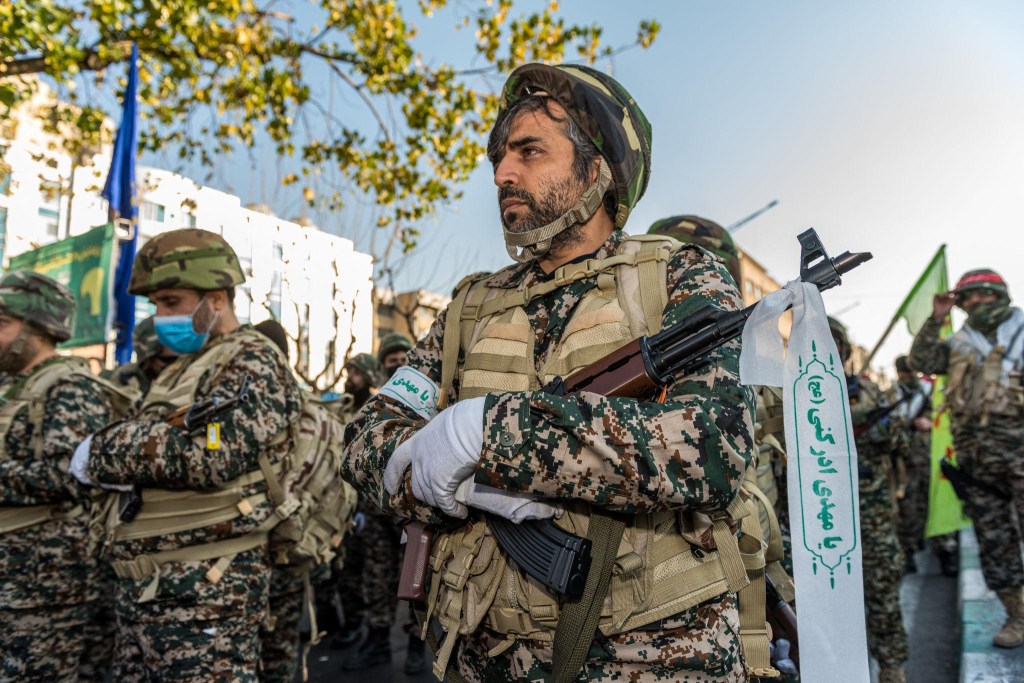
In Iran, that power is largely in the hands of the Revolutionary Guard and the internal security forces whose main job is protecting the regime. As long as those forces stay loyal, the chances of the government suddenly collapsing are very small.
History gives us a clear example of how revolutions actually happen. During the Russian Revolution in 1917, the country was already falling apart from World War I. Millions had died, the economy was collapsing, and people were starving to death. Protests were happening everywhere. Yet the government still did not fall right away. What finally broke the system was when large parts of the military stopped supporting the government and sided with the revolution. Once that happened, the balance of power changed.
Even then, it didn’t bring peace. Russia fell into a long and brutal civil war that killed millions more before a new government finally took control. That’s the part people often forget when they talk about regime change. Revolutions are not political debates. They are fights over who controls the power of the state.
The leaders of Iran understand this history very well. They know what usually happens when regimes collapse. In many revolutions the former rulers are imprisoned, executed, or forced into exile. Very few survive politically, and sometimes they do not survive at all. Because of that reality, leaders in authoritarian systems fight extremely hard to stay in power. Losing control can mean losing their wealth, their freedom, and sometimes their lives.
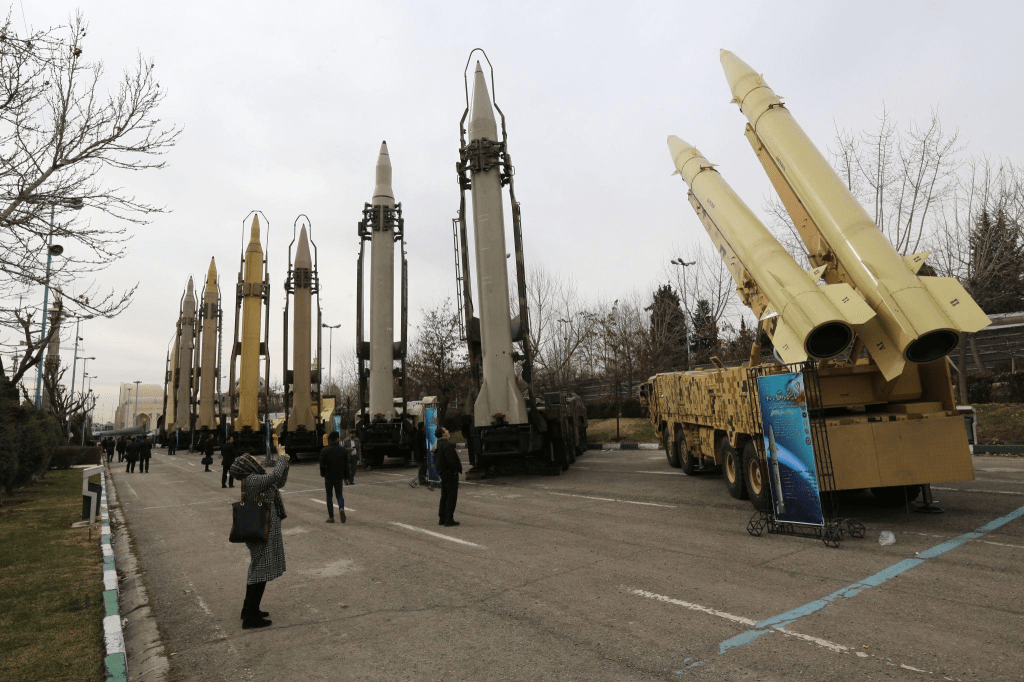
That reality matters when people talk about Iran today. If the goal is to stop Iran from threatening other countries, regime change does not have to be the objective. Pull out now, declare victory, and move to a strategy of containment. A more realistic goal would be to weaken Iran’s military capability — especially its missiles, drones, and naval strike systems — to the point where it would take many years, maybe decades, to rebuild them.
If those capabilities were reduced enough, Iran would lose much of its ability to threaten other nations in the region. At that point the main objective would already be achieved. The United States and its allies could step back and declare victory without occupying the country or trying to rebuild its political system, something history shows is very difficult.
From there, diplomacy could take over. Iran could be encouraged to act like a better neighbor and focus on rebuilding its economy instead of its military power. Trade agreements and economic opportunities could show both the Iranian public and its leadership that cooperation leads to a better standard of living. The message would be simple: stability and cooperation bring prosperity.
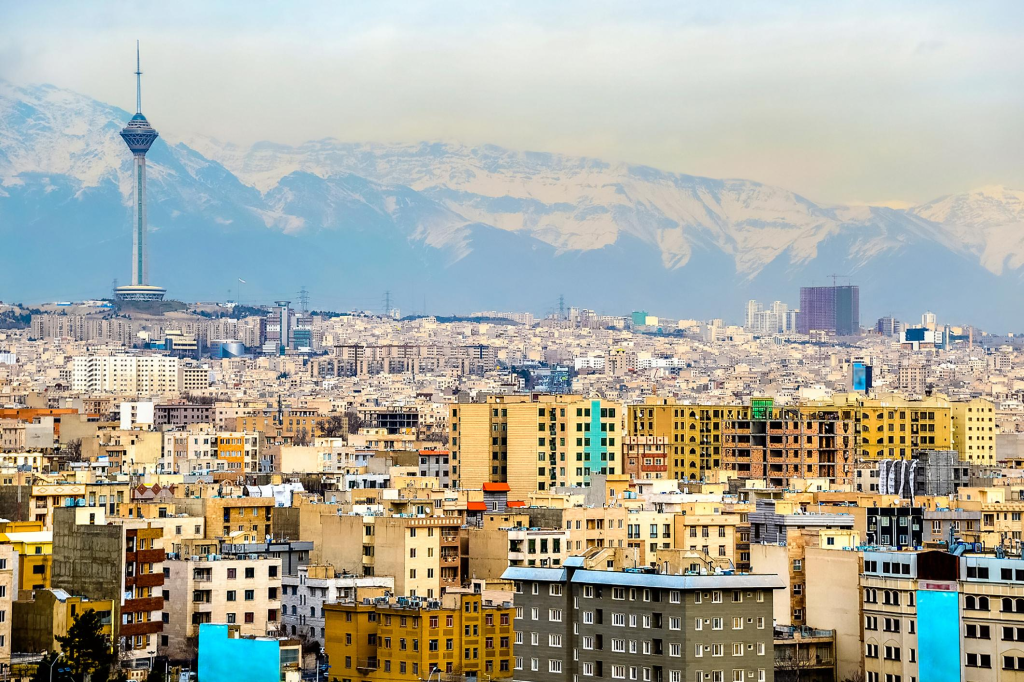
But if the regime begins rebuilding the same military capabilities that threaten other countries — missile production, drone programs, and long-range strike systems — the response should be clear. Those capabilities could be targeted again before they become a threat.
The red line would not be ideology or politics. The red line would be military capability. History shows that trying to change another country’s government from the outside rarely works. Limiting that government’s ability to threaten its neighbors is a far more realistic goal.
Sometimes victory is not overthrowing a regime. Sometimes victory is simply removing its ability to do harm.
Discover more from Beebop's
Subscribe to get the latest posts sent to your email.

 Beebop's