
I sometimes ask myself a hard question: if I had to start all over again today in America—same drive, same work ethic, same dreams—could I make it to where I am now? Honestly, I’m not sure I could. The rules of the game have changed so much that the kind of self-made path I took might not even be legal anymore.
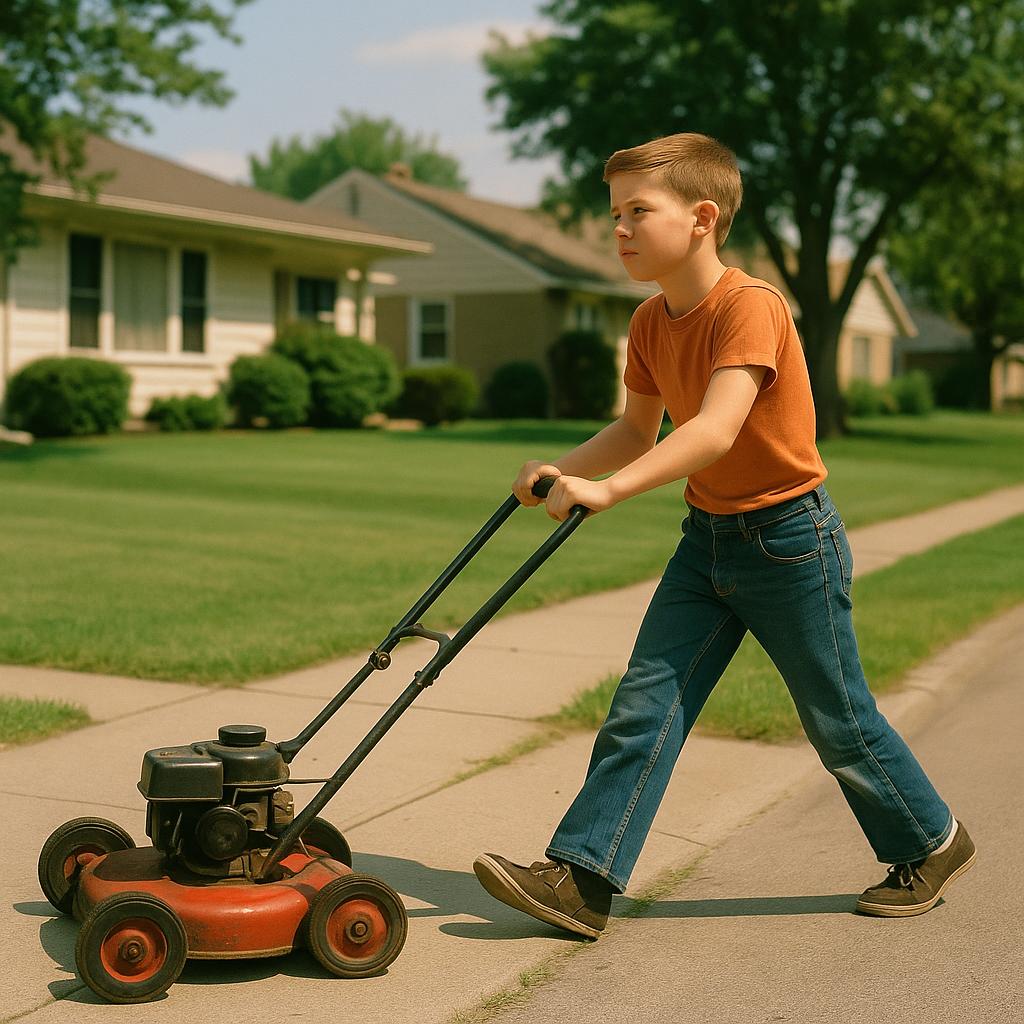
When I was a kid, I started with a power mower, cutting lawns for people in my neighborhood. That little side hustle grew into a tidy business by the time I hit my teens. Today, a twelve-year-old running a lawn-cutting business would need insurance, a license, maybe even a lawyer—because of liability laws and child labor regulations. What once was the American spirit of “get out there and work” has been replaced by a wall of red tape that protects everyone except the ambitious kid trying to get ahead.
At sixteen, I got my first real job as a maintenance helper at an apartment complex. I ran power equipment, painted, repaired things, and learned the nuts and bolts of property care—skills I still use today maintaining my own rental properties. But under today’s federal labor laws, no one under sixteen can use most of that equipment. That job gave me hands-on education worth more than any textbook, and it helped shape my future in real estate. Without that opportunity, I’m not sure I would’ve found my direction so early.
When I entered the corporate world, I was allowed—encouraged, even—to work “off the clock.” I wasn’t paid for those hours, but I wasn’t exploited either. I was learning, proving myself, and building momentum. Those unpaid hours helped me leapfrog peers with far more experience. Within a few years, I was running large stores, managing people twice my age, and eventually climbing to a vice-president role in a Fortune 500 company—all without a college degree. In today’s labor environment, that would never happen. HR policies would flag the extra hours, compliance teams would panic, and promotions would crawl through bureaucracy. The system would rather keep you safe than let you soar.
When my wife and I first got married, we were masters of the coupon game. Stores doubled coupons, and we’d plan our shopping trips like generals preparing a campaign—three or four stops, dozens of coupons, and savings that stretched our limited budget. That was how young couples built a life back then: hustle, plan, save, repeat. Today’s “savings apps” and loyalty points are a shadow of that era. You can’t out-think the algorithm.
To earn extra cash, I “trash-picked.” That’s right—I salvaged things people threw away, repaired and restored them, and sold them through the Penny Power newspaper. Some weeks I made $500—serious money for a young family. That little venture lit the spark that became my antiques business, where I eventually sold over a million dollars’ worth of art, glass, and collectibles. Today, most towns ban “curb picking,” and many neighborhoods have ordinances against taking anything from someone’s trash. Another once-great American tradition—resourcefulness—is now treated like a crime.
Buying a home back in the early 1980s felt within reach. My first house in Upper Darby cost about one and a half times my annual income—a modest three-bedroom on a quiet street. Mortgage rates were high, but so were wages, and homeownership was part of the dream for working families. Today, that same home costs six times the average household income before taxes, insurance, or upkeep. Young people aren’t failing—they’re fighting uphill against a system that quietly moved the finish line.
The same goes for my real estate investments. In the 1970s through the 1990s, local inspectors didn’t breathe down your neck, and codes weren’t strangling every improvement. You could buy a fixer-upper, put in sweat equity, and make it shine. Those properties became the foundation of my retirement. Try that today and you’ll drown in permits, zoning rules, and inspection fees before you swing a hammer. The entrepreneurial spirit that once built neighborhoods has been buried under paperwork.
Even the way we communicate has changed. Back then, a handshake meant something. Deals were sealed on trust and reputation. Today you need contracts, disclosures, and digital signatures for everything. I sometimes wonder if we’ve traded accountability for legality—and lost a bit of our humanity in the process.
I’m not bitter—just realistic. The America I grew up in rewarded effort, risk, and persistence. The America of today rewards compliance, credentials, and caution. That doesn’t mean young people can’t succeed—but it does mean their path looks nothing like mine did.
If I had to start over today, I’d still work hard, still dream big, and still take risks. But it would take longer, cost more, and require far more patience with the system. The ladder I climbed has more rungs now—and each one comes with a waiver to sign.
So could I do it again? Maybe. But I’d need more than a mower, a wrench, and a will. I’d need a lawyer, an accountant, a building permit, and a prayer.
Discover more from Beebop's
Subscribe to get the latest posts sent to your email.

 Beebop's