
“With the best intentions came the worst outcomes”
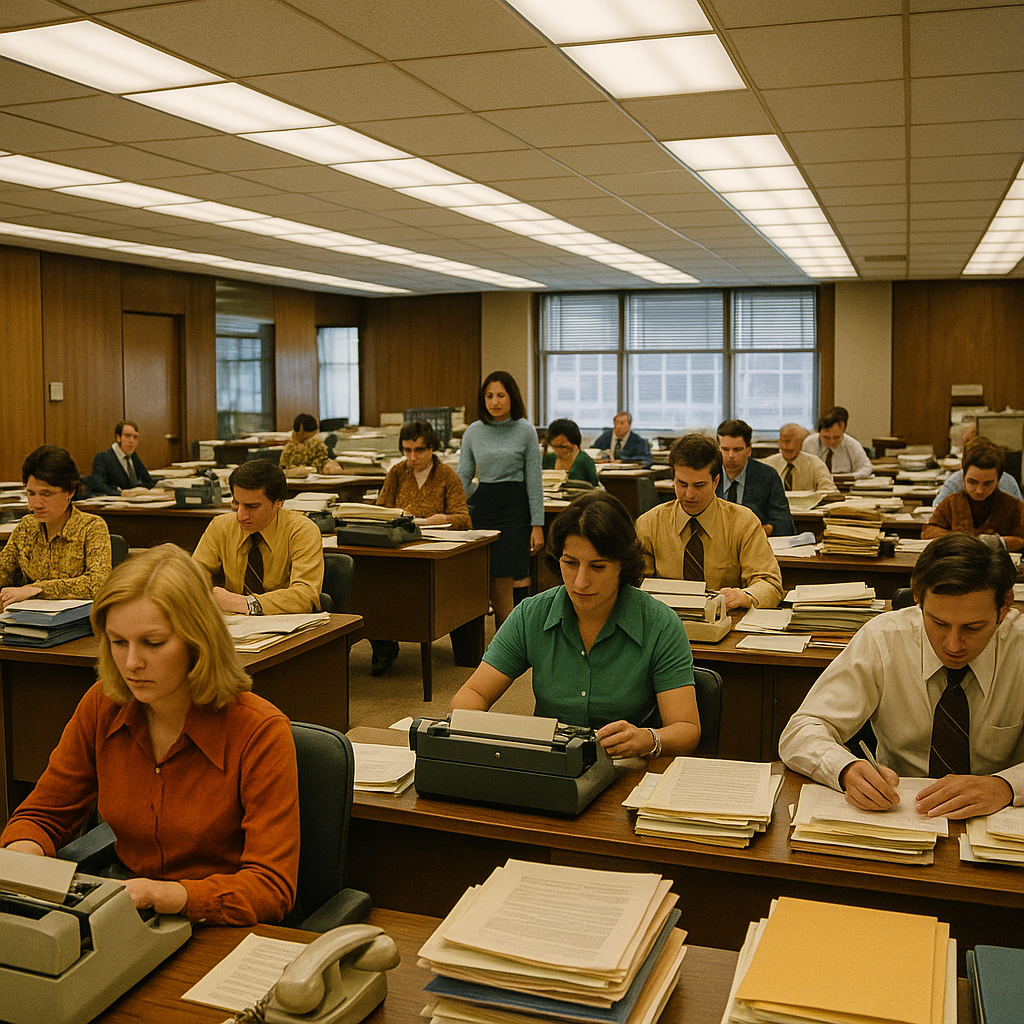
There was a time in this country when a full-time job was exactly what it sounded like: forty honest hours. You worked your shift, you got your paycheck, and you could count on both. There was a rhythm to life back then — steady, predictable, and fair. Employers didn’t have to jump through hoops, and employees didn’t have to decode government definitions. Forty hours meant full-time, and full-time meant you could build a life.
I lived through that era. Built a career in it. And then I watched everything tighten, twist, and change — not because businesses suddenly turned greedy or cruel, but because the rules changed under them, and they did what businesses always do: they adapted.
When the ACA hit and the government redefined “full-time” as 30 hours instead of 40, everything shifted. Washington sold it as fairness and expanded care, but on the ground, where real people punch real clocks, the first thing companies did was pull out the red pen. Anyone hovering at 35–38 hours suddenly found themselves capped at 28 or 29. It wasn’t personal — it was math. It was survival. It was the new rulebook.
And overnight, millions of workers took a massive pay cut disguised as a scheduling change.
People don’t talk about that part. They don’t talk about the single mom who lost $150 a week. Or the cashier who suddenly needed a second job. Or the warehouse worker who had to choose between rent and groceries. They don’t talk about how part-time exploded not because the jobs changed, but because the definition did.
And the cruel irony? Those same workers couldn’t even file for unemployment compensation. Losing 25% of your workweek isn’t considered “unemployment.” It’s considered “staffing needs.” So they got the worst of both worlds — less money, fewer hours, and zero safety net.
And that’s when it hit me:
with the best intentions came the worst outcomes.
Washington meant well — I’ll give them that. They wanted to help people. But the reality is, good intentions don’t fill the gas tank. They don’t pay the electric bill. They don’t make up the gap when your hours get cut from 38 to 28 and you’re standing there with a paycheck that suddenly feels like a bad joke.
Back when full-time was 40 hours, you didn’t live in fear of a policy change wiping out your income. You didn’t have to calculate your hours like you were solving a puzzle. You worked your week, you earned your pay. It wasn’t perfect, but it was honest. It worked.
Today, everything feels like it’s built on shifting sand — definitions, classifications, benefits, penalties, loopholes. The people making the rules talk about fairness while the people following the rules lose the stability they once took for granted.
Ane we wonder why the middle class finds it so hard to make ends ends meet. The work long enough to make it hard to fit in a second job yet too short the earn a decent living.
I miss the days when a job was a job.
When full-time meant forty hours.
When employers didn’t have to play defense and workers didn’t have to live on the edge of uncertainty.
Maybe I’m old-school. But I’ll tell you this: those forty-hour weeks built this country. They built families. They built neighborhoods. They built lives with dignity and predictability.
And once you’ve lived through that, you know exactly what we lost.
I say bring them back.
Discover more from Beebop's
Subscribe to get the latest posts sent to your email.

 Beebop's