
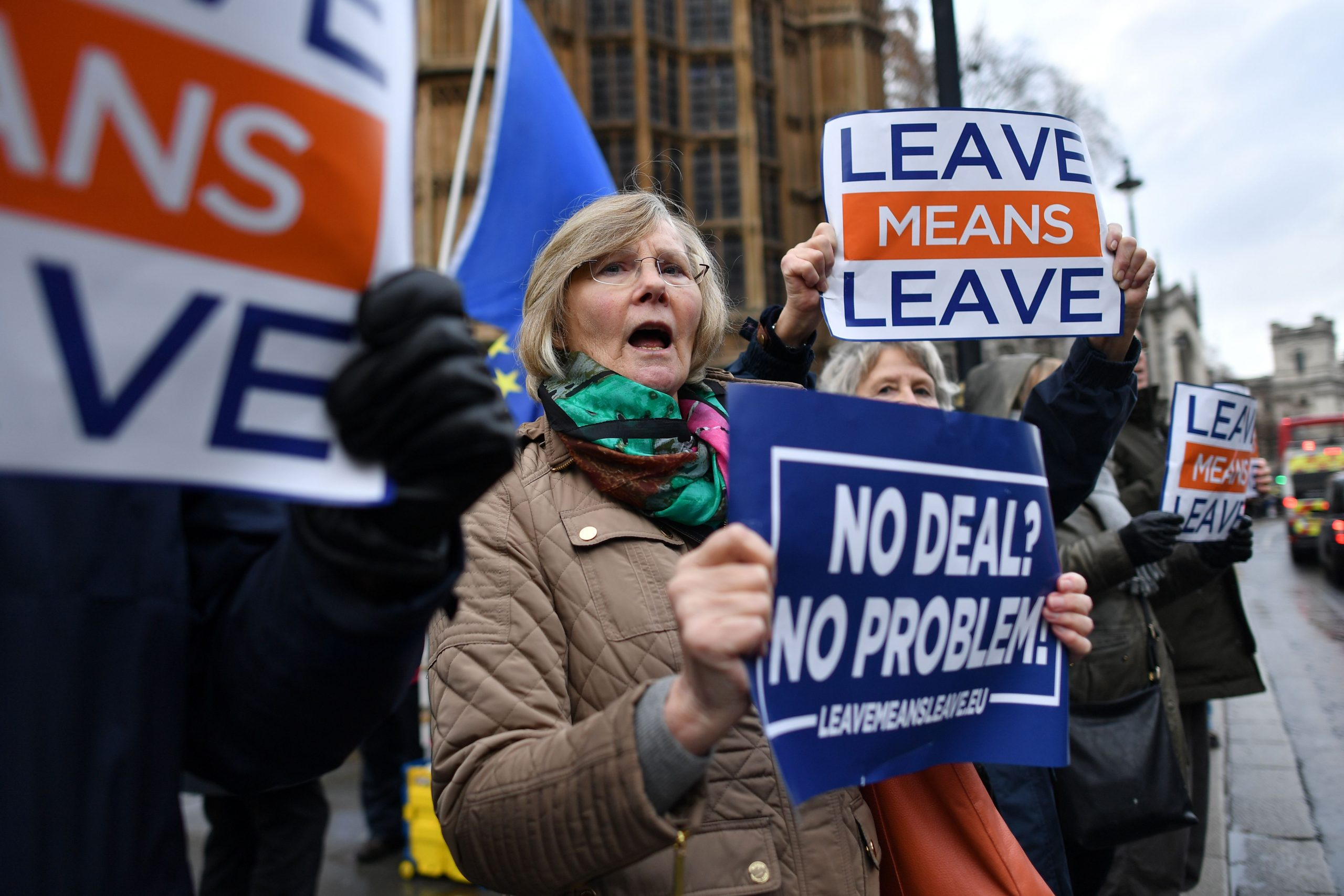


Why is this happening?
That’s the question I keep coming back to, and it’s not a casual one. It’s a genuine attempt to understand a change I never expected to see so clearly, especially in people I’ve known most of my life. This isn’t about winning an argument or proving a point. It’s about trying to make sense of a shift in behavior that feels sudden, widespread, and deeply unsettling.
Why do so many people—often my age or older—people who lived good, secure lives, who benefited from a stable society, seem so angry and outraged all the time? These are people who grew up in the very world I’ve written about before. A world with shared values, accountability, and a basic sense of decency. A capitalist, free-enterprise society where success was celebrated and rewarded. It worked for them. They did well in it.
And to be clear, I’m not talking about paid protesters, the media, casual observers, or the people who show up just to film the chaos. I’m talking about everyday people—friends, neighbors, former coworkers—people who built stable lives inside that system and now seem perpetually angry at the very society that made their success possible.
And yet, here we are.
What makes this hard for me is that many of these people are friends. People I’ve known for decades. Some I grew up with. I know who they were when they were young, because I was there. They weren’t like this. They weren’t constantly furious. They didn’t instantly take sides on complex issues without understanding the full story. They didn’t define themselves by outrage.
Today, I watch people I thought I knew line up and plant flags after reading a headline or watching a short video designed to provoke emotion, not understanding. There’s no curiosity anymore. No pause. No skepticism. Just certainty—loud, public, and often unforgiving.
What’s unsettling is that some of these people would probably be outraged if they met their younger selves today. The younger versions of them were more open-minded. More patient. More willing to question authority and narratives. They didn’t need to announce their opinions to the world, and they didn’t confuse volume with virtue.
I don’t pretend to fully understand what changed. Maybe it’s fear. Maybe it’s boredom. Maybe it’s the loss of purpose that can come when careers slow down and life quiets. Maybe outrage fills a vacuum. Maybe constant exposure to media—especially social media—rewires how people process reality.
People now openly display outrage for all to see based on a tweet, a YouTube reel, a Facebook post, or a TikTok video that could easily be AI-generated, misleading, or a twisted version of a much larger and more complicated story. There’s no verification. No context. Just reaction.
I’ve lost friendships over this. Some dear friends from my past have blocked me because of my political leanings. That still stings, even if I don’t always admit it. At the same time, I have to be honest—I’ve blocked some people too. Not because I hate them, but because the constant negativity, anger, and performative outrage became too much to absorb day after day.
That’s the part that really bothers me. Not disagreement. I’ve always believed reasonable people can disagree. It’s the way disagreement has turned into division, and division into identity. Politics no longer seems to be about ideas—it’s about allegiance. And once allegiance is declared, truth becomes optional.
What happened to the Golden Rule? What happened to assuming good intent? What happened to talking things through instead of shouting them out? What happened to humility—the understanding that maybe, just maybe, we don’t have the whole story?
Maybe this isn’t about politics at all. Maybe it’s about something deeper—maybe it’s a quiet form of self-guilt about how well some people are doing, a need to signal sympathy or moral alignment with those who are less successful. Maybe it’s how quickly people trade their character for belonging and acceptance within their social circles. I believe that’s what this really is: fear of rejection, or fear of losing social status. Maybe it’s how easily we’re pulled apart when outrage is rewarded and reflection is ignored. How quickly people trade peace for belonging, and curiosity for certainty.
I don’t write this with anger. I write it with sadness and confusion. Because I remember who many of these people used to be. And I miss that version of them.
I don’t have answers. But I think the question matters.
Why did a generation shaped by stability become so consumed by anger?
And what does that say about the world we’re leaving behind?
Discover more from Beebop's
Subscribe to get the latest posts sent to your email.

 Beebop's