


If I had the power to change one law, it would be this: I would make personal and family financial planning mandatory in every school, K-12.
And I don’t mean a one-time elective class that kids take for half a semester and forget two weeks later. I mean a real curriculum, taught year after year, the same way we teach math, reading, history, and science. It should be part of growing up, because money affects every single part of your life, yet most kids are sent into adulthood with absolutely no clue how it works.
One of the biggest things I notice about young people today isn’t that they’re lazy or stupid, or any of the other nonsense people like to throw around. It’s something much simpler than that.
A lot of them were never taught how to be thrifty.
And I don’t mean thrifty like “cheap,” where you refuse to spend money even when you should. Cheap is cutting corners and buying junk, or avoiding spending money out of fear. I mean thrifty like smart, like someone who understands value, who knows when to spend and when not to, and who understands that money has power when you treat it with respect.
The truth is, a lot of young people today grew up in families that were comfortable. Maybe not rich, but secure. The bills got paid. There was always food. There was always heat. Phones were upgraded even if the old one worked just fine. There was always a backup plan.
In many of these homes, money was never even a topic of discussion. There was no worry about it. Money, or the lack of it, was simply not on their mind.
And when you grow up like that, you don’t learn one of the most valuable lessons in life:
Every dollar you save is a soldier you’re sending into battle for your future.
They don’t understand the power of saving money, and they definitely don’t understand compounding interest. Nobody sits them down and explains that a little bit saved every month turns into something real over time. Most of them are living like the money faucet is going to stay on forever. And even something as basic as a household budget is not explained. Their idea of budgeting is checking their account balance and thinking, “I have money.” They don’t realize that money might already be spoken for. That money might be set aside for the big electric bill in the summer, or the car insurance payment, or property taxes, or a repair that you know is coming because you planned for it.
And it won’t.
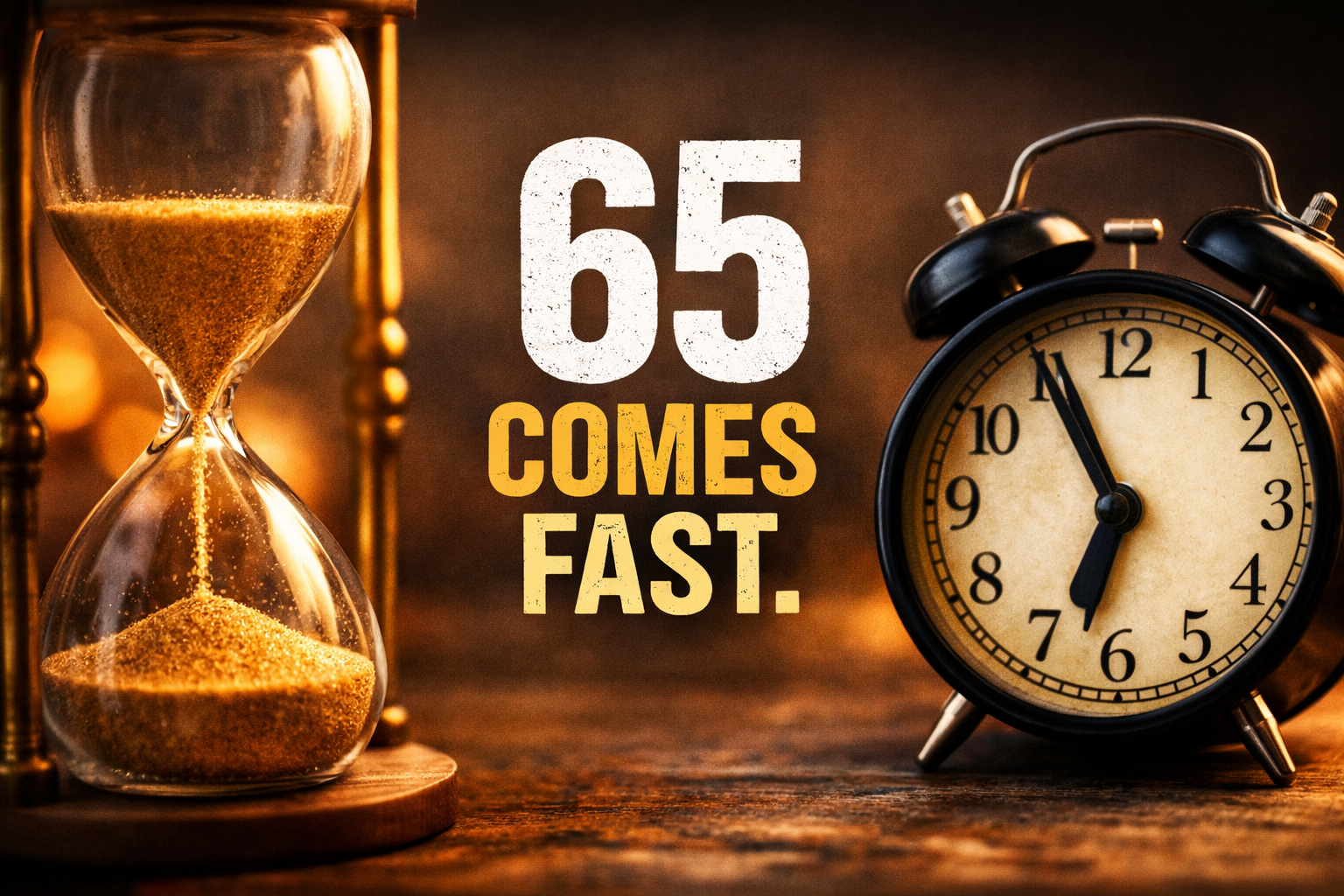
Life moves fast. You blink and you’re 40. You blink again and you’re 55. And then suddenly, 65 is not “somewhere in the distance.” It’s standing right in front of you like a brick wall.
But when you’re 22 or 28, retirement sounds like a fairy tale. Like something that happens to “old people.” So they don’t plan for it.
They don’t even think about it.
And that’s where the trouble starts.
Because most young people today don’t walk through life thinking, “How can I get this cheaper?”
That thought doesn’t even enter their head.
They walk into Wawa and spend $3, $4, $5 on coffee like it’s nothing. And don’t get me wrong — I love Wawa. But when you start doing that every day, you’re talking about over a thousand dollars a year just on coffee. Multiply that by 30 years and you’re looking at real money.
Money that could’ve been invested.
Money that could’ve compounded.
Money that could’ve been a cushion later in life.
But they don’t see it like that.
They see it as “just coffee.”
And it’s not just coffee. It’s never just coffee. It’s the habit. The weird thing is that if you were to mention this to them, some actually get upset. “I can afford this!” “I work hard for my money!” “I deserve this!” And they miss the entire point. The point is not whether you can afford it today. The point is that a lot of baby boomers learned from their parents who lived through the Great Depression that money may not always be there when you need it the most.
And that’s why this should be taught in school. Kids should be taught early that being able to afford something today doesn’t mean it’s a smart decision. They should be taught that financial security is built on habits, not impulses.
Then you look at subscriptions. My God… subscriptions today are like termites. People don’t even realize they’re being eaten alive.
Netflix. Hulu. Disney+. Spotify. Apple Music. YouTube Premium. Amazon Prime. DoorDash memberships. Fitness apps. Meditation apps. Gaming subscriptions. Cloud storage. “Premium” versions of apps they barely even use.
And most of them don’t even know what they’re paying every month. They just let it hit their card and keep moving.
When I was younger, if you wanted something you had to go get it. You had to earn it. You had to save for it. You had to make choices.
Now the whole system is designed around making sure people don’t feel the pain of spending money. It’s just “tap your phone” and it disappears.
And that brings me to the biggest thing I notice: young people don’t buy things… they finance lifestyles.
When they need a car, they don’t ask, “What car can I buy?”
They ask, “What monthly payment can I afford?”
That’s a dangerous mindset, because now you’re not shopping for a car — you’re shopping for a payment.
And once you start living your whole life based on monthly payments, you become a slave to them.
Car payment. Credit card payment. Student loan payment. Subscription payment. Rent payment. Phone payment.
Payment, payment, payment.
And here’s the crazy part: a lot of them actually believe their lifestyle should match their parents’ lifestyle the minute they move out on their own.
That’s like walking into a gym for the first time and expecting to bench press what the guy next to you is lifting after 30 years of training.
It doesn’t work like that.
Your parents didn’t start where they ended up. They built it.
They sacrificed.
They went without.
They drove old cars.
They reused things.
They bought secondhand.
They shopped around.
They learned how to stretch a dollar.
But a lot of young people today think, “I’m an adult now, so I should have what my parents have.”
No… you should have what you can afford. And there’s a big difference.
I look at my own life as an example. I can afford a brand-new iPhone every year if I want to. But I don’t.
I’m still using an iPhone 11. It works perfectly. It makes calls, takes pictures, runs apps, and does everything I need it to do.
I don’t need the newest one just because advertising tells me I do.
Same thing with my car. My car is a 2016 model. It’s paid for, it’s in great shape, and it gets me exactly where I need it to go.
To me, that’s the definition of freedom. I don’t care what people think of the car I drive, besides today they all look the same anyway. I can afford to shop at Whole Foods for my groceries but I choose to drive to a food outlet out near Lancaster because I find it fun. I can afford to keep my house at 72 degrees all winter long but I choose to chop wood that is abundant on my property to heat my house because no workout is like chopping five cords of firewood. I can afford to buy my clothes and household items at Macy’s but I would much rather buy designer clothes and real antiques at Goodwill. Go ahead and laugh.
A lot of young people don’t understand that being thrifty isn’t about being deprived — it’s about not being controlled.
And advertising is controlling them like puppets.
Every day it’s “upgrade this.” “Buy the new version.” “You deserve it.” “Treat yourself.” “Limited time offer.”
It’s constant.
And young people fall for it because nobody taught them how to resist it. Nobody taught them how to step back and say:
“Do I really need this?”
Or even better:
“Can I get this cheaper somewhere else?”
That’s a question I ask automatically. It’s built into my DNA.
Because I grew up understanding the value of money.
That mindset has served me my whole life. I retired at 48 to fulfill a lifetime dream of owning my own store. I didn’t just decide to do that on a whim. I planned it. I wrote down the goal of retiring before I was 50 when I was just leaving high school. Many people in my life mocked and laughed at me all along, but I was quietly laughing inside and planning and working toward my goal my whole life. Every decision I made was focused on achieving it.
Most young people today wouldn’t even consider buying used.
They act like buying a used item is embarrassing. Like it’s beneath them.
Meanwhile, I’ve built an entire side business for years buying things on the secondary market, finding treasures other people overlook, and turning them into profit.
And I’m not talking about junk. I’m talking about quality.
Furniture. Artwork. Pottery. Collectibles. Antiques. Tools. Household items.
You’d be amazed what you can buy for pennies on the dollar if you’re willing to look.
But young people don’t want to look. They want convenience. They want it fast. They want it delivered. They want it now.
And that “now” mentality is expensive.
Even simple things like shopping around for insurance. Most young people don’t do it. They pick whatever their parents had or whatever commercial they saw the most times.
Same with gas. They don’t even think about which station is cheaper. They stop at the first one they see because it’s convenient.
They don’t think in terms of “small savings add up.”
And that’s the whole point.
Because the truth is, being thrifty is nothing more than living by the old saying:
A penny saved is a penny earned.
People laugh at that line today like it’s some corny quote from a fortune cookie. But it’s one of the most powerful financial truths ever said.
Because if you save money, you’re not just saving it… you’re keeping it out of the hands of corporations that are trying to convince you to spend it.
And if you invest that saved money, now you’re doing something even more powerful.
You’re putting your money to work.
Compounding interest is one of the greatest forces in the universe, but many young people don’t understand it because they were never taught it.
They don’t realize that saving $200 a month in your 20s can turn into a fortune later. They don’t realize that starting early matters more than starting big.
They don’t realize that the difference between a comfortable retirement and a stressful one often comes down to habits you form when you’re 25. The thought of living in whatever nursing home the system puts you in when you’re in your 80s, rather than a private nursing home of your choosing, never enters their mind. They don’t even understand the difference between an HMO healthcare plan where insurance companies make your medical decisions versus a Cadillac plan or even a concierge plan.
And here’s another one: credit cards.
A lot of young people carry credit card debt month to month like it’s normal. Like it’s part of adulthood.
They swipe the card, pay the minimum, and move on.
They don’t realize they’re paying 20% interest on stuff they don’t even remember buying.
That’s insanity.
Credit cards can be a great tool if you pay them off. But if you carry a balance, you’re basically volunteering to pay extra for everything you bought.
And once you get trapped in that cycle, it’s hard to get out.
What I wish young people understood is that thriftiness isn’t about being miserable.
It’s about being free.
It’s about being able to say no.
It’s about having money in the bank when something unexpected happens.
It’s about not panicking every time the car needs a repair.
It’s about having options.
And most importantly, it’s about understanding how fast life goes.
Because one day you wake up and you’re not 25 anymore. You’re 55. And then you start asking yourself the questions nobody asked you when you were younger:
“What am I going to do at 65?” “How much do I have saved?” “How much will Social Security really cover?” “Will I still be working?” “Will I be able to retire?” “Will I be forced to downsize?”
Don’t get me started about Social Security! Many have listened to so-called experts say that Social Security will not be around when they are 67 so they take gig hustles and never build up the needed Social Security credits they will need in retirement.
Those questions hit hard when you realize you don’t have time left to fix 30 years of bad habits.
And that’s exactly why this should be taught in school. Not when people are 40 and panicking. Not when they’re 55 and trying to catch up. It should be taught when they’re 12, 15, and 18, before they’re buried in debt and locked into lifestyle habits they can’t afford.
The good news is, thriftiness can be learned. But it has to start with awareness.
It starts with one simple mindset shift:
Stop buying things because you want them… and start buying things because you need them.
Start thinking like a person who wants control of their future.
Start looking for value.
Start buying used.
Start questioning every monthly subscription.
Start shopping around.
Start asking “do I really need this?”
Start a home budget.
Because if young people could learn that habit early, they would be unstoppable.
And they’d be shocked how quickly their life improves once they stop letting advertising and convenience control their wallet.
A penny saved really is a penny earned.
And those pennies… if you invest them and let time do its thing… can turn into a life that doesn’t depend on luck.
That’s the difference between being broke at 65 and being comfortable.
And trust me… 65 comes faster than anyone thinks.
And if I could change one law, it would be forcing our school system to teach this, because financial literacy isn’t optional anymore.
It’s survival.
Discover more from Beebop's
Subscribe to get the latest posts sent to your email.

 Beebop's