
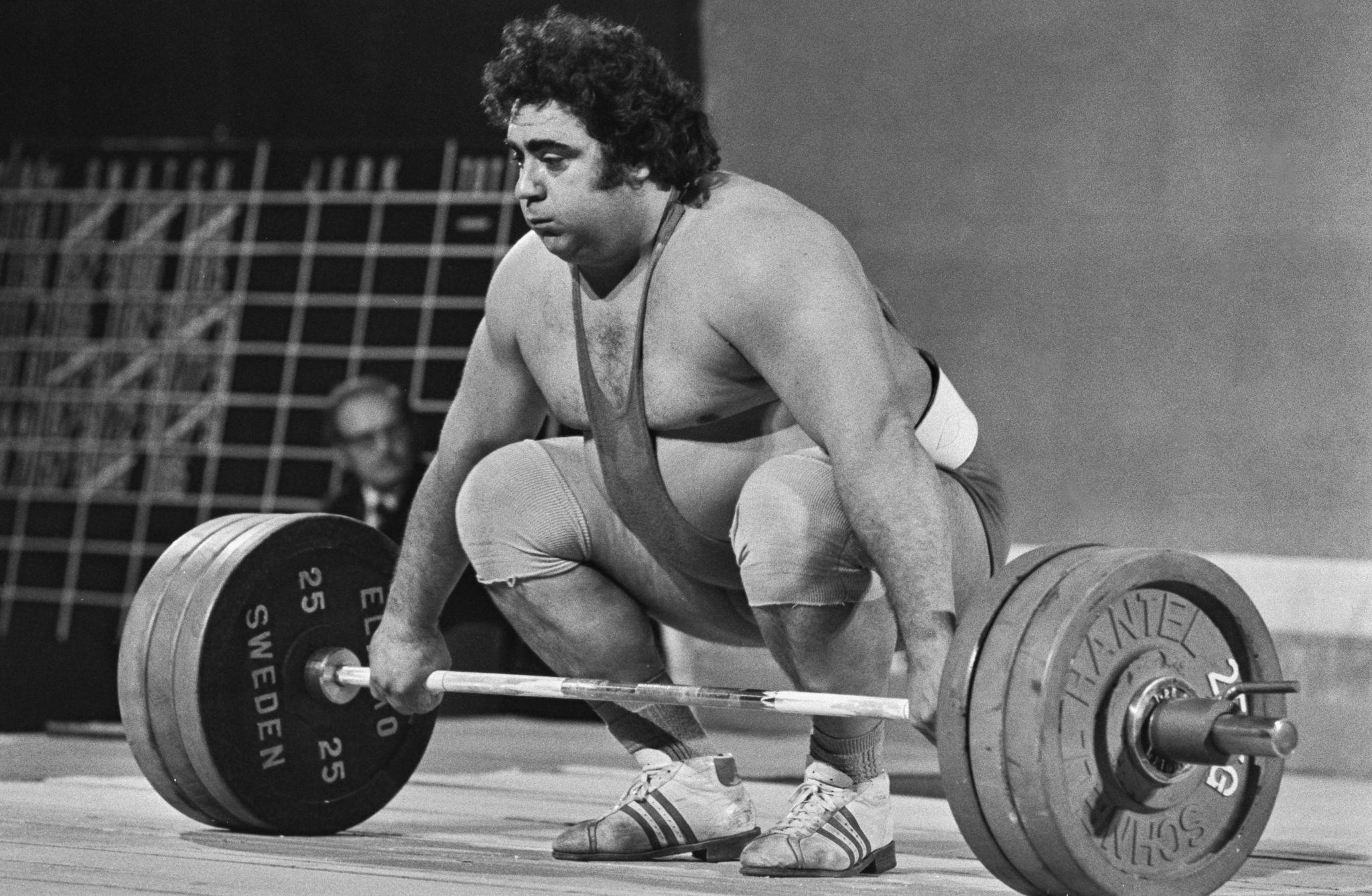


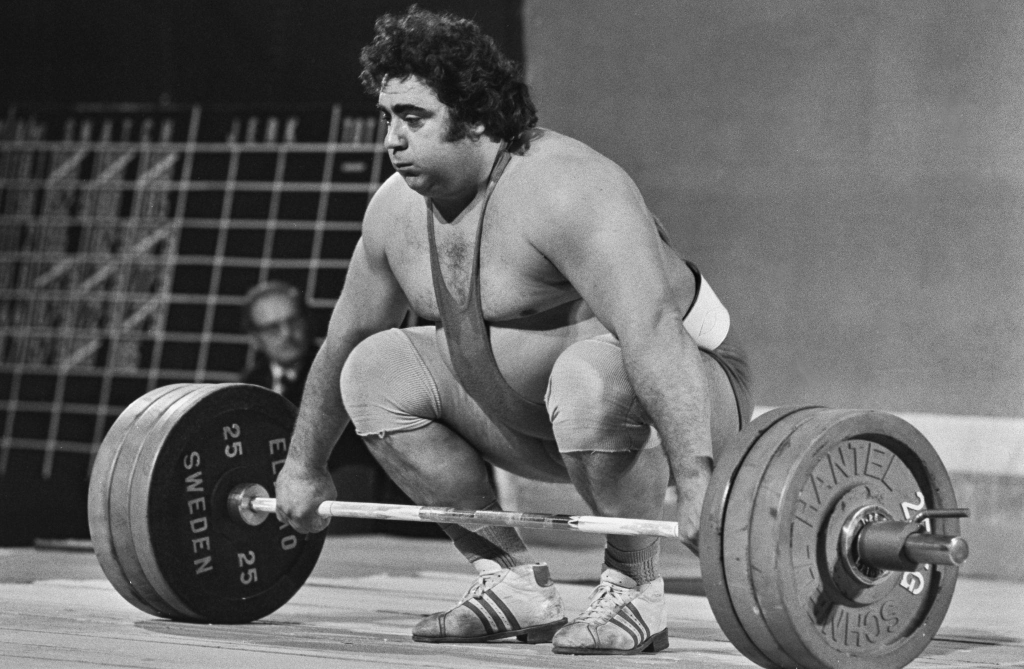
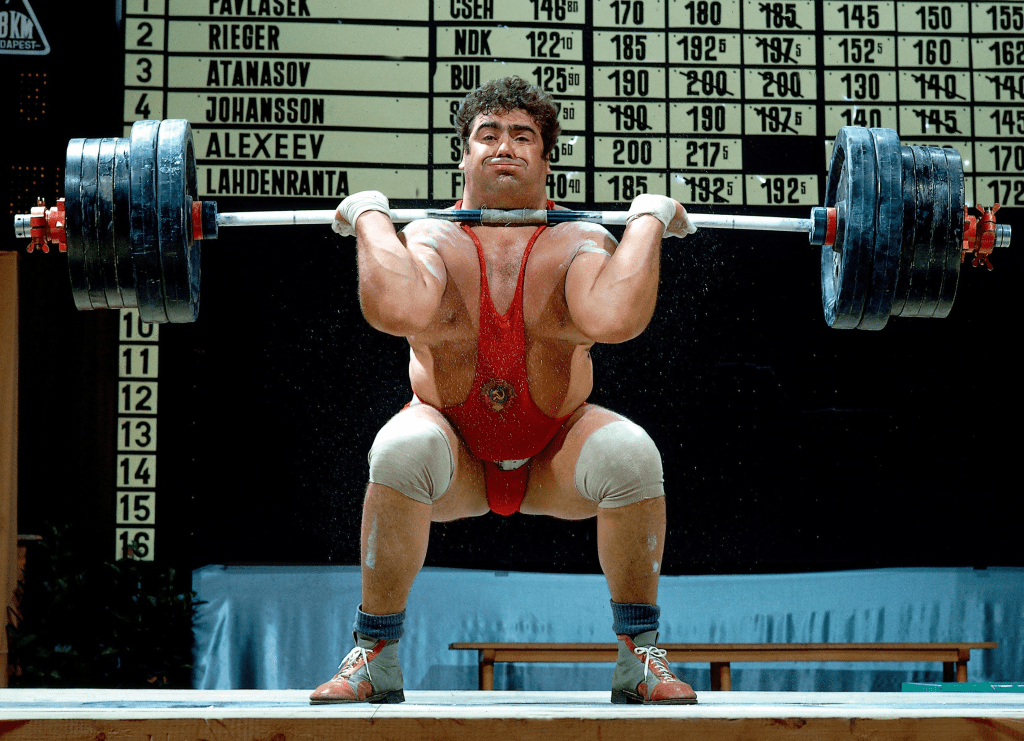
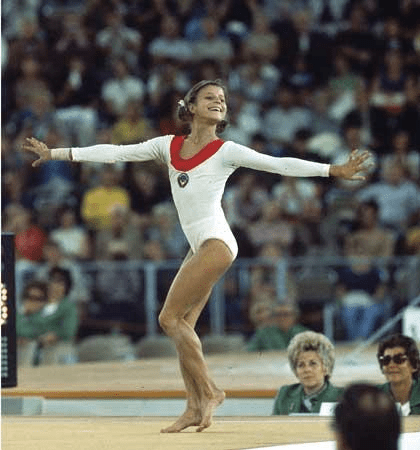
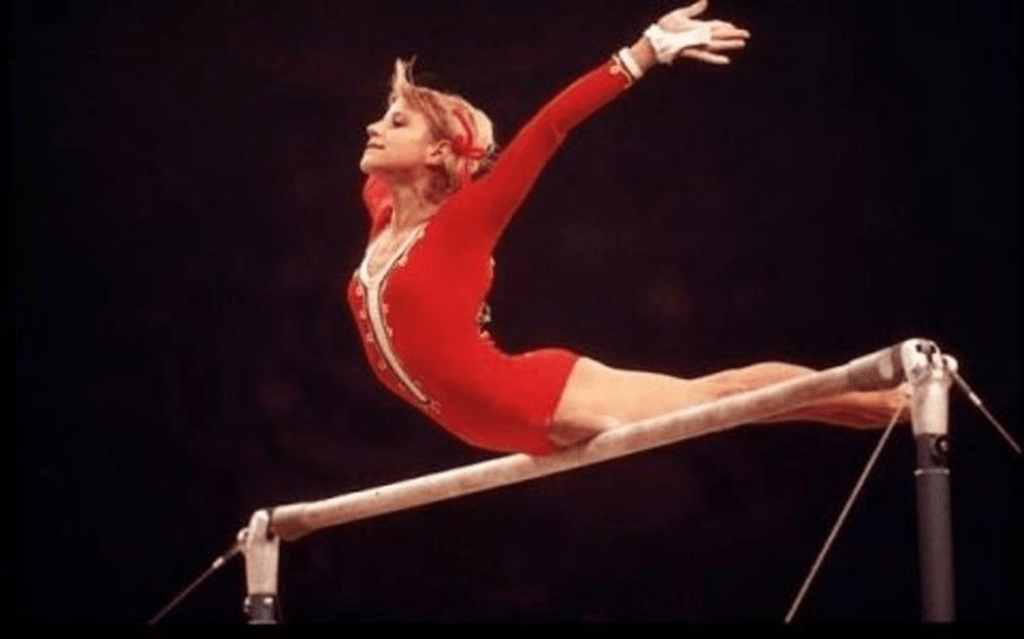
I loved watching weightlifting and wrestling when I was in high school. Those were my events. There was something raw and real about them—pure strength, discipline, one-on-one competition. I still remember watching guys like Vasily Alekseyev, the massive Russian weightlifter from the 1970s, breaking records like it was nothing. He didn’t just lift weights—he dominated the sport. And then on the other end of the spectrum, you had someone like Olga Korbut, this tiny Russian gymnast on the uneven bars who completely captivated the world. Totally different sports, same feeling—you were watching something special.
Back then, the Olympics felt simple. You turned on the TV and you were watching each country send their very best—homegrown talent, representing where they came from. There was a certain pride in that. You knew who you were rooting for, and you knew who they were.
And they were amateurs. That mattered. These were people who trained for years, often with very little support, just for the chance to represent their country.
Today, it feels different.
The athletes are still incredible—arguably better than ever—but the lines aren’t as clear. You see competitors representing countries they weren’t born in, sometimes countries they have only a loose connection to. It’s all within the rules, but it changes the feel of it.
And then there’s the money.
I can’t help but feel like, in many cases, you’re watching the children of wealthy elites competing in a global, sponsor-driven playground. The Olympics used to feel like a level playing field. Now it feels like access, funding, and sponsorship play a much bigger role in who even gets the chance to be there.
To be fair, I understand how we got here.
When I was young, the so-called amateur system wasn’t exactly fair either. Countries like the Soviet Union were basically running full-time state-supported athletes who were “amateurs” in name only. They trained year-round, had government backing, and had a clear advantage over true amateurs from places like the United States.
So opening the door to professional athletes leveled that part of the playing field.
But in doing that, something else changed.
Back then, it felt like nations competing. Now, at times, it feels like systems competing—money, sponsorships, and global movement of athletes shaping the outcome as much as talent and hard work.
That said, when the events start, I still get pulled in.
Give me swimming, track and field, and gymnastics. When the best in the world line up, all the noise fades away for a moment—and you’re just watching greatness.
And maybe that’s what keeps me coming back.
Discover more from Beebop's
Subscribe to get the latest posts sent to your email.

 Beebop's