
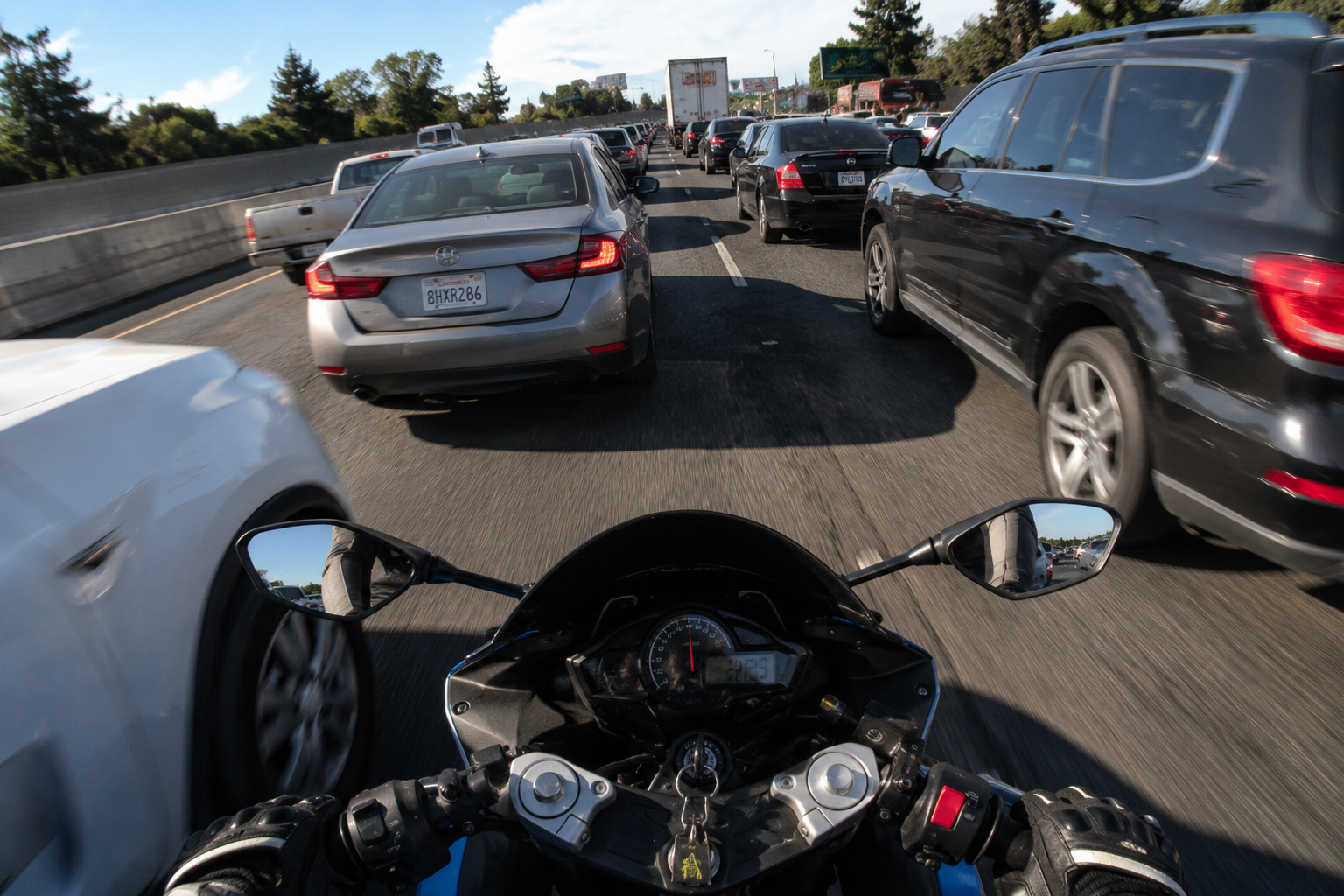


One thing I would love to see in the future, but probably won’t live long enough to witness, is technology that makes our roads dramatically safer by preventing two of the biggest causes of serious accidents: extreme speeding and tailgating.
I’m not talking about the average driver going a little over the speed limit. I’m talking about the “rice rocket” cars and high-performance motorcycles that weave through heavy traffic at 100, 120, or even 150 miles per hour, darting from lane to lane with only inches to spare. Every time I see one of these drivers, I wonder how many innocent families they’re putting at risk just to save a few minutes or get an adrenaline rush.
What troubles me most is that many of these drivers, often younger drivers, seem to drive as if they are playing a video game. In a video game, if you crash, you hit a reset button and start over. In real life, there are no reset buttons. The family in the minivan next to you, the grandfather driving home from work, or the young couple heading out to dinner can all become victims of someone else’s reckless decisions in a matter of seconds.
The same goes for tailgating. We’ve all seen drivers riding just a few feet behind another vehicle at highway speeds. One sudden stop, one blown tire, one distracted moment, and lives can be changed forever.
The interesting thing is that we already have much of the technology needed to address these problems. Many modern vehicles use radar, cameras, sensors, adaptive cruise control, automatic braking, and even vehicle-to-vehicle communication. Some manufacturers have already developed systems that allow cars to share information with one another.
I can envision a future where vehicles simply won’t allow the most dangerous behaviors. A car could still be capable of reaching 100 miles per hour in a true emergency, but software could prevent it from maintaining those speeds for extended periods. Likewise, sensors could prevent a vehicle from following too closely, automatically increasing the distance between vehicles when conditions require it.
I know some people will argue that this limits personal freedom, and I understand that concern. But when someone’s choices can instantly put dozens of innocent people at risk on a crowded highway, I think technology should be used to protect the public.
This isn’t science fiction. We already have many of the building blocks. What’s missing is the willingness to use them.
That’s something I’d love to see become reality, even though I probably won’t be around to witness it. Maybe future generations will look back and wonder how we ever accepted the kind of reckless driving that is still far too common today.
Discover more from Beebop's
Subscribe to get the latest posts sent to your email.


