
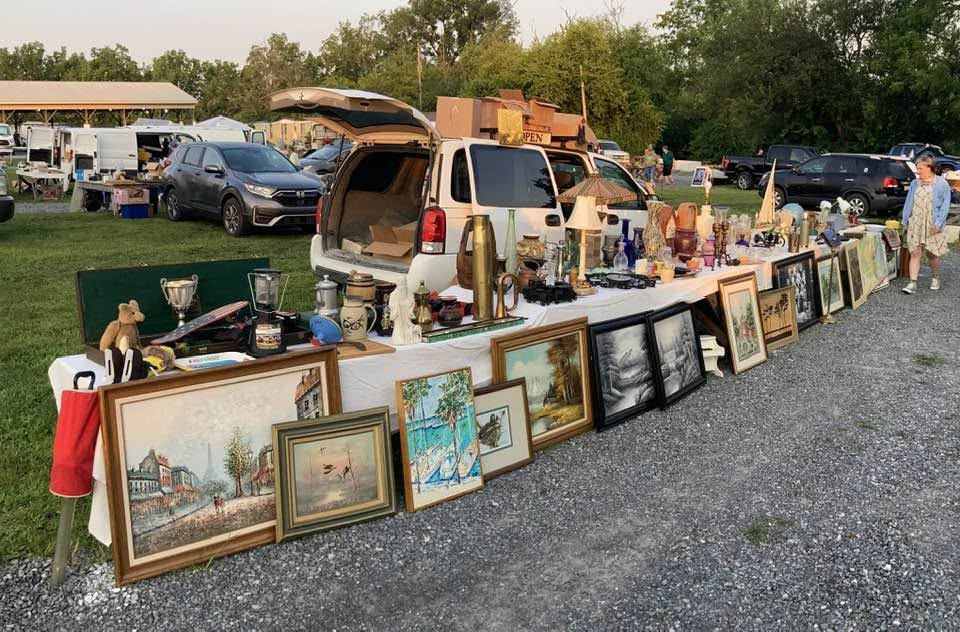
As someone who has spent decades in the antique and resale business on both sides of the table, let me offer a slightly different perspective.
Starting as a buyer, when I owned my store and was hitting flea markets almost every day, all the vendors got to know me well. They quickly learned that I never played the “make me an offer” game. Because I was a regular, reliable buyer, they knew they needed to give me their best price the first time or I would simply walk away. Period.
The only time I ever made a counteroffer was when their price was already very close to what I needed to pay. Otherwise, there was no point wasting either of our time. More importantly, I believed that if I negotiated every single deal, I was teaching vendors they didn’t have to give me their best price upfront. I wanted them to know that if they wanted my business, they had one chance to make their best offer. Over time, they learned exactly that. They knew I was a serious buyer, and they also knew that if their first price wasn’t fair, I would simply walk away. Occasionally, if it was an item I really wanted or needed, I would circle back later and make an offer—but only then.
As a seller, I followed the same philosophy.
I always tried to price my items fairly, but that price wasn’t always the same for every customer. If the buyer was a dealer I knew and had done business with over the years, they automatically received my dealer price. That was my best price, and I never accepted a counteroffer because I had already given them the discount they had earned through our relationship.
If I believed the buyer was purchasing the item for themselves rather than to resell, I would sometimes accept a reasonable counteroffer. Every situation is different, and I understood that most retail buyers expect to negotiate a little.
Now, if someone came in with a ridiculous lowball offer that was clearly meant to steal the item, I didn’t argue. I didn’t negotiate. I simply smiled and said, “Never mind… it’s not for sale.”
Looking back, I think this approach saved everyone time, built trust, and eliminated a lot of unnecessary games. Buyers always knew where they stood with me, and sellers knew I respected their time just as much as I expected them to respect mine.
There isn’t one right way to negotiate. Every buyer and every seller has their own style. But after more than 40 years buying and selling antiques and collectibles, I learned that honesty, consistency, and putting your best price on the table from the start often leads to the best long-term relationships.
Discover more from Beebop's
Subscribe to get the latest posts sent to your email.


