
Human medicine has become a system where medication is often the first answer. Doctors are trained to follow clinical practice guidelines, structured protocols based on research, expert consensus, and recommendations from medical societies. These guidelines tell physicians which tests to order, which medications to prescribe, and how to sequence treatment for virtually every condition. While designed to ensure safety and consistency, many guidelines are influenced—directly or indirectly—by pharmaceutical companies, creating a system where if you are sick, there is a pill for that.
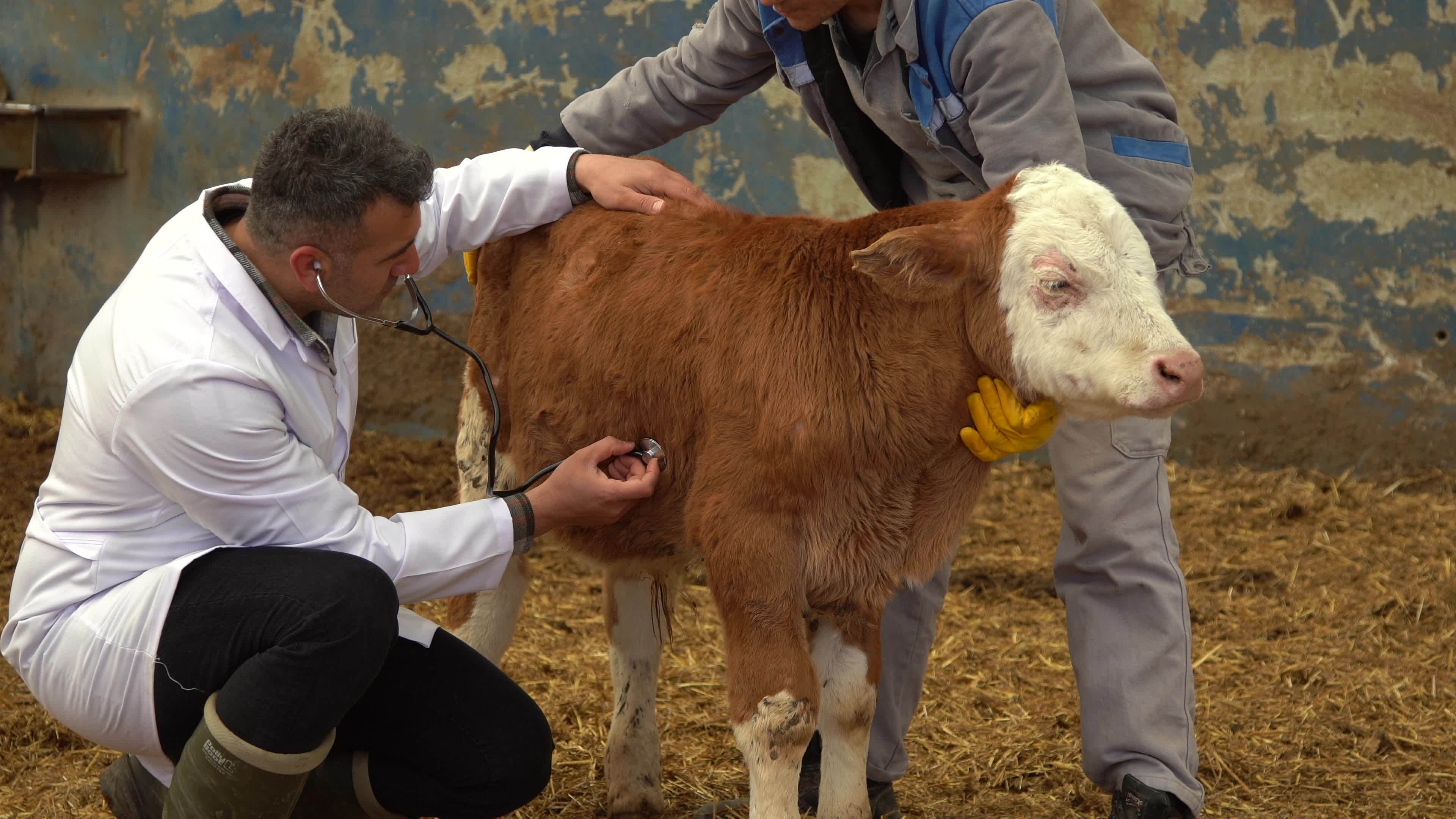
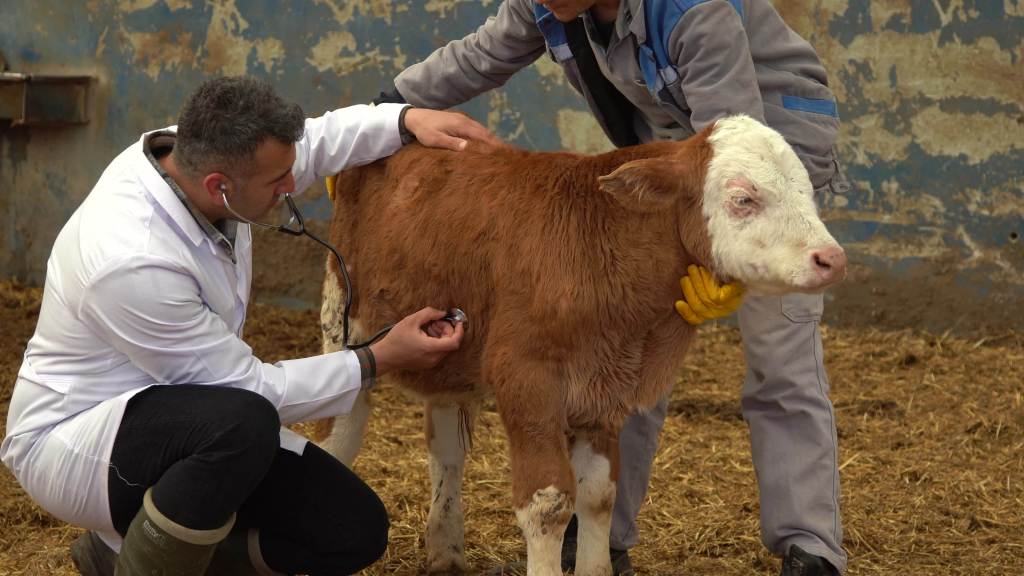
Veterinarians, by contrast, rely heavily on experience, observation, and pattern recognition. A good vet sees countless animals over years and can recognize subtle symptoms because they’ve encountered them before—much like an auto mechanic who specializes in a particular brand or model of car. When a specific engine shows a pattern of wear, the mechanic knows exactly what to check first. Similarly, a vet can identify a nutrient deficiency, organ issue, or environmental problem quickly because they’ve seen it in multiple animals before. They treat the cause, not just the symptom, using their training and hands-on experience.
A hopeful sign is the growth of functional medicine doctors, who approach human patients more like vets do—investigating diet, lifestyle, environmental stressors, and other root causes. The problem is that most of these doctors are out of network or don’t accept insurance, making their care largely inaccessible to the average person. Meanwhile, major pharmaceutical companies maintain a tight grip on conventional medicine, and wealthy individuals often have the advantage of seeing both a regular doctor and a functional doctor.
Looking forward, AI has the potential to revolutionize medicine in a way that aligns with this cause-focused approach. AI can process vast amounts of data—labs, imaging, patient histories—and recognize patterns humans might miss. It can mimic the experience-based insights of seasoned veterinarians or specialists, identifying subtle health issues and suggesting precise interventions. Unlike humans, AI is not influenced by pharmaceutical pressures, bias, or fatigue, making it capable of providing highly accurate, evidence-based recommendations.
This contrast highlights a major flaw in modern healthcare. Treating symptoms without addressing the underlying causes may stabilize a patient temporarily, but it rarely leads to lasting health. If I am sick, I would rather see a good vet than a modern doctor. Vets—and potentially AI in the future—focus on solving the problem, not just masking symptoms, and that is a model human medicine desperately needs to adopt.
Discover more from Beebop's
Subscribe to get the latest posts sent to your email.

 Beebop's