
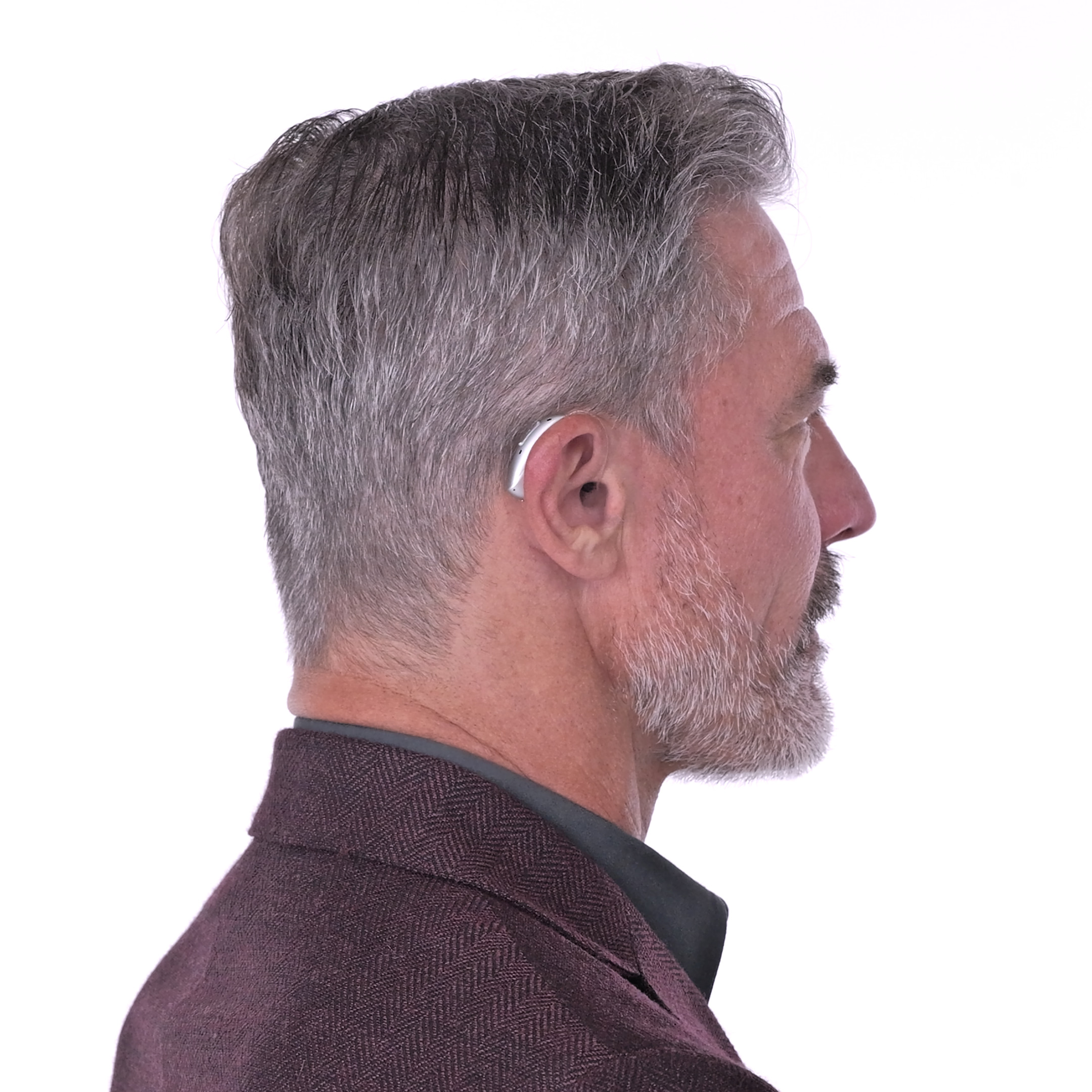


my Phonak Sphere hearing aids.
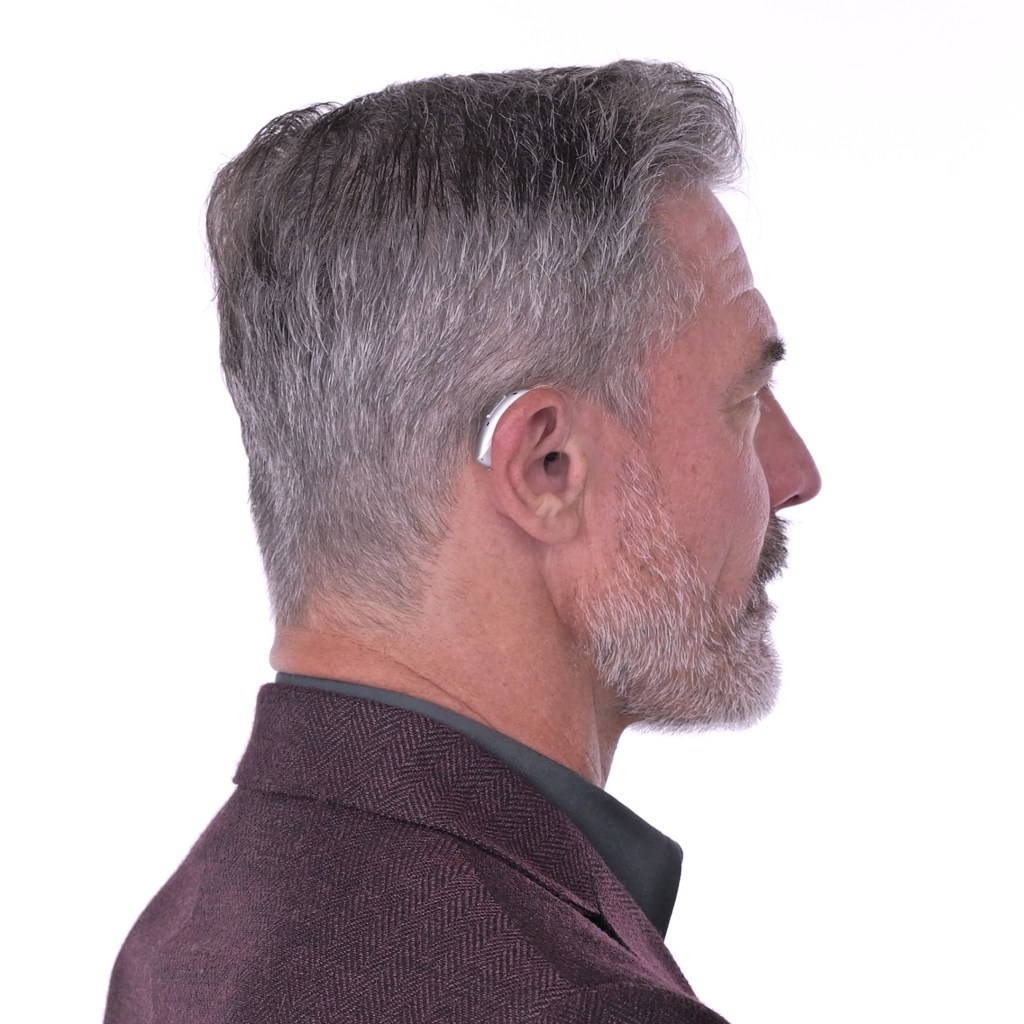
If you asked me the most expensive personal item I’ve ever bought — other than a house or a car — the answer is easy: my Phonak Sphere hearing aids. They set me back around $6,000, but what they’ve given me back can’t be measured in dollars — clarity, confidence, and connection.
For years, I lived in quiet denial. I’d tell myself people were mumbling, that restaurants were just too noisy, or that my grandkids were talking too fast. The truth was, my hearing was fading. Not completely, but enough that my brain had to work overtime to fill in the blanks.
When you start losing your hearing, it isn’t like someone slowly turns down the volume — it’s more like certain frequencies vanish. Usually, it’s the higher ones first — the “s,” “f,” and “th” sounds that give words shape. So instead of clearly hearing “What did you say about the fish?”, you catch “…you say… the ish?” and your brain scrambles to fill in the gaps. You start guessing words based on context, tone, and habit — the same way AI autocorrects a sentence when a word is misspelled.
That guessing game is exhausting. You don’t realize it at first, but your brain is burning energy trying to reconstruct missing sounds. Over time, that constant strain dulls your focus and memory. It’s one reason researchers now link untreated hearing loss to cognitive decline — the brain gets less stimulation and spends its energy compensating instead of comprehending.
That all changed the day I was fitted with my Phonak Spheres. The technology packed into these tiny devices still amazes me. They use AI-driven sound processing that constantly scans my environment, distinguishing between speech and background noise. Unlike old-style hearing aids that simply amplified everything — so you’d hear the person talking and the clanging dishes behind them — these use machine learning to intelligently filter out unwanted noise. They know the difference between a human voice and a passing car, a conversation and a crowd.
And then there’s the Bluetooth integration — pure genius. I can take phone calls, listen to music, or even stream a podcast directly through my hearing aids. No wires, no earbuds, just seamless connection. I can be outside, mowing the lawn or walking, and still talk on the phone hands-free. The sound is crisp, balanced, and surprisingly rich — far better than I ever expected.
But the real gift is what this technology has done for my brain. Now that the sounds I’d been missing are restored, I end the day mentally sharper and less fatigued. I don’t have to guess or lip-read. Conversations are natural again. I can hear my wife’s laughter, my grandkids’ little jokes, and even the birds in the morning — things I didn’t even realize had gone silent.
Buying these hearing aids wasn’t just about hearing better — it was about thinking better, living better. They didn’t just give me back my hearing; they gave my brain a break.
I used to think of them as a symbol of aging. Now, I think of them as the smartest piece of technology I’ve ever owned.
“You don’t realize how hard your brain’s been working until you finally give it the sound it’s been searching for.”
Discover more from Beebop's
Subscribe to get the latest posts sent to your email.

 Beebop's