
The business I grew up in has changed forever.
There was a time when people looked forward to shopping. They knew the owners by name, trusted the prices, and enjoyed the experience. Local stores took pride in every detail—clean displays, friendly faces, and a feeling that someone actually cared.
That kind of retail built communities. It made people feel connected. But drive through most small towns today—unless it’s a resort town—and what do you see? Eateries, nail salons, barber shops, yoga studios, and medical offices. What’s missing are true retail stores. The kind that sell goods, not just services. The kind that used to make downtowns feel alive.
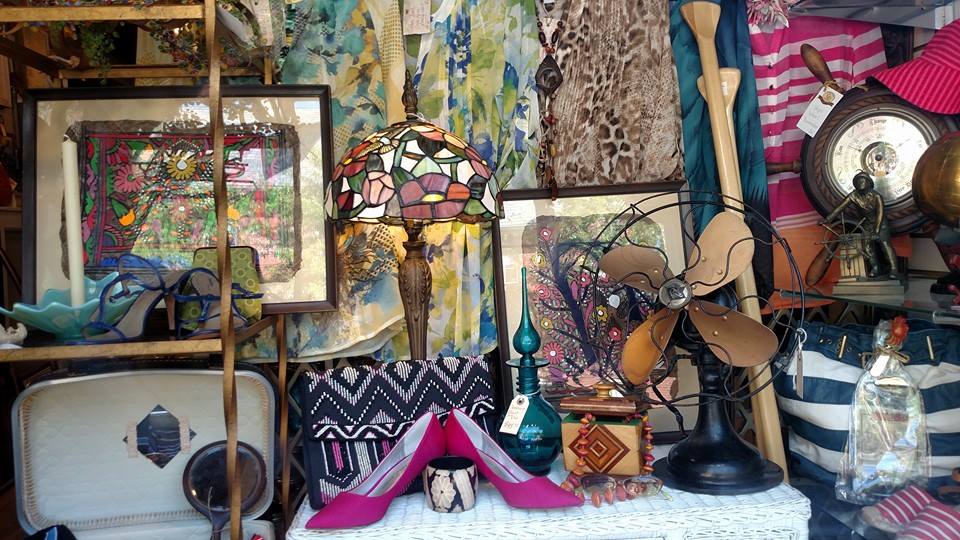
I know what that world used to look like because I lived it. I ran a successful boutique for 15 years—selling antiques, home décor, and art—and I watched firsthand as the landscape shifted. The foot traffic changed. The habits changed. But what never changed was the truth about what makes a customer walk through the door and come back again.
Today, small retail stores are fighting for survival in a world where customers can buy almost anything with a click. You’re not just competing with the shop across town—you’re competing with Amazon’s doorstep delivery and big-box stores with national buying power. But that doesn’t mean you’re doomed. It means you have to lead.
The truth is simple: lead, or get left behind.
People will always shop where they find value, consistency, and trust. The good news is, small stores can deliver those better than anyone—if they’re willing to raise their standards and stop chasing gimmicks.
If you own or run a small retail business, here’s what it takes to stay alive and thrive:
✅ Deliver Relentless Value
Not fake discounts or “limited-time” sales—real value. Price your merchandise fairly, but strategically. Customers should walk out thinking, “I got more than I paid for.”
If your store earns a reputation for delivering value, you don’t need gimmicks to bring people back—they’ll expect it. Lose that trust, and you might as well start your going-out-of-business sale, because the loyalty that built your reputation will disappear overnight.
✅ Simplify Everything
Shoppers don’t want to jump through hoops for a deal. End the confusing coupons, point systems, and endless “Buy One Get One” games. Be straight. Be fair. Home Depot, Hobby Lobby, and Costco don’t lure people with flash sales—they earn loyalty through consistency. You can do the same, just on your scale.
✅ Deliver Superior Customer Service
Every single employee in your store—family member, part-timer, or manager—must live a Customer First attitude. Period. Bring back the mindset that built retail in the first place:
- The customer is always right.
- Yes, we can.
- Let me help you with that.
- We can match that price.
In small retail, service is your superpower. When customers feel seen, remembered, and appreciated, they’ll go out of their way to return.
I can’t stand it when I frequent a small retailer regularly and the clerk doesn’t even remember me. That’s the kiss of death for a small business. My bank manager knows me on a first-name basis—and so do the tellers—or I’d switch banks. If a bank can make personal relationships a priority, so can a small store. Recognition and familiarity are the foundation of customer loyalty.
✅ Maintain Impeccable Storekeeping and Presentation
There’s no excuse for a messy, disorganized store. Superior presentation isn’t a luxury—it’s survival. Clean shelves, full racks, and well-lit displays show pride. If you think it’s impossible to keep up, take a trip to Hobby Lobby and see how it’s done. They make “clean and full” look effortless because they’ve built it into their culture.
A customer’s first impression happens in three seconds. Don’t waste it.
✅ Make the Store Matter Again
If you’re going to have a physical space, make it feel worth visiting. Keep it spotless, inviting, and alive. Dress professionally. Keep music and lighting consistent. Make sure someone always greets customers within seconds of walking in. You want your store to feel like opening day every day.
You can’t sell pride if you don’t show it.
✅ Stand for Something Specific
You can’t be everything to everyone. Focus on what makes you different. Maybe it’s your personal service, your curated selection, or your local roots. Define your lane—then own it completely. Generic stores disappear. Stores with personality survive.
✅ Create Reasons to Return
People don’t wander into stores the way they used to. You need to give them reasons. Rearrange your front tables. Highlight new arrivals weekly. Offer small events, demos, or loyalty thank-you days. Keep your store in motion. If there’s nothing new, there’s no reason to come back.
✅ Build Excitement Through Social Media
You have to spend time on social platforms to create excitement—not just for your merchandise, but for you as the owner and your brand. People love connecting with real personalities. Show them your story, your passion, and your process. Even if you’re not comfortable in front of the camera, find someone who is. Hire a local creator or young staff member who gets it. The goal isn’t perfection—it’s authenticity. The stores that build a loyal following online are the ones customers can’t wait to visit in person.
I’ve spent a lifetime in retail—opening stores, training teams, and building districts. I’ve seen what works and what kills momentum. This isn’t about nostalgia; it’s about leadership.
The middle ground is gone. You either create wow moments every day—or you fade away quietly.
The small stores that survive will be the ones that rediscover what made retail great in the first place: pride, passion, and personal connection.
The business I grew up in has changed. What comes next depends on who has the guts—and the consistency—to build something worth walking into again.
Discover more from Beebop's
Subscribe to get the latest posts sent to your email.

 Beebop's