
How eBay Lost the Market They Invented
There was a brief moment in time when eBay was stronger than Sotheby’s, stronger than Christie’s, stronger than any of the world’s most powerful auction houses. If you wanted something rare, collectible, or one-of-a-kind, you didn’t call a dealer… you went to eBay. They didn’t just participate in the secondary market — they created a new one and owned it completely. They had the pickers, the antique dealers, the treasure hunters. They had the merchandise nobody could reorder and nobody could compete with. They were untouchable. They could have stayed that way forever — if they had only understood the people who made it all possible.
eBay had the entire secondary market in the palm of their hand. They were the only game in town. They had rare merchandise you couldn’t just walk into a store and buy. Then they made a mistake that changed everything: they started acting like a traditional retailer. They assumed the product would always show up, no matter how badly they treated the seller community.
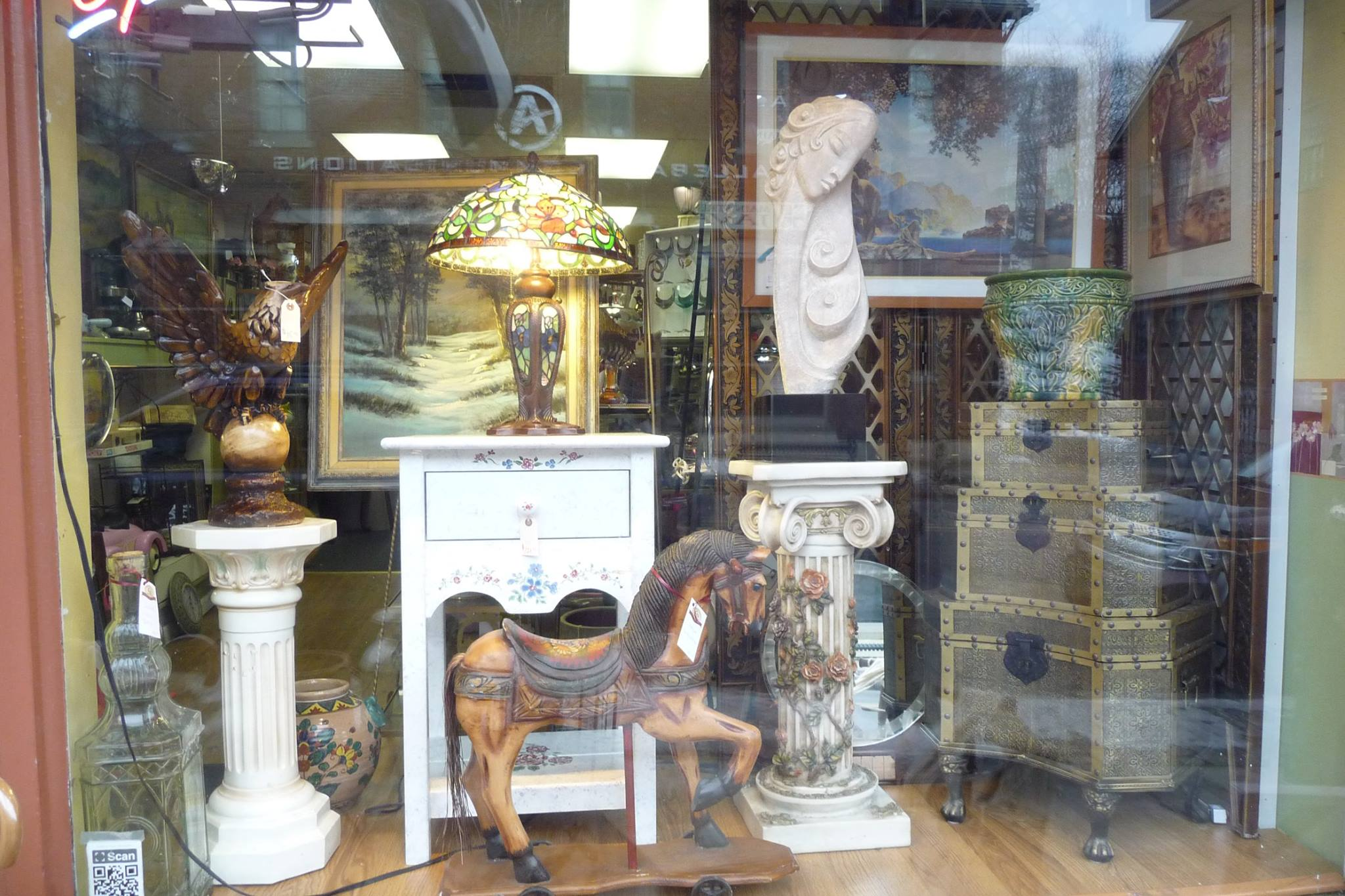
But the secondary market isn’t Walmart. You can’t reorder a 1920s hand-painted vase that sold in three minutes. You can’t restock a rare piece of art pottery or a mid-century designer lamp. The merchandise only exists because some seller out there is willing to dig through barns, travel back roads, fight through auctions, build relationships, and learn the difference between treasure and trash. Those sellers are the attraction. Those sellers are the experience. Without them, the buyers don’t show up. Imagine a giant flea market where three-quarters of the tables are empty. Do you stay and browse? No — you turn around and leave. That’s exactly what happened to eBay.
I told them all of this years ago. I actually wrote a detailed suggestion list when they first started shifting their priorities. I had been a VP in retail. I have lived through negative customer feedback, angry letters, complaints — you name it. And I told them something simple: yes, the customer is king. But in the secondary market, the sellers are the ones who bring the crown. They refused to understand that difference.
Instead of improving the marketplace or elevating the best products to drive top line sales, they made public negative feedback the biggest feature. They created a culture of seller shaming. I said to them, “I would never post complaint letters on the front doors of my stores for customers to read.” Buyers don’t want to see a circus. They want confidence that the platform already protects them. Amazon figured that out from day one. eBay still hasn’t.
And here’s where the downfall really accelerates. When revenues dropped — when the smart move would have been to invest in making great merchandise easier to find and buy — they did the opposite. They raised fees. They piled on more rules and more hoops for sellers. And now, if you don’t pay extra to promote your listings, they bury them so deep no one ever sees them, even if that item is the exact thing someone is searching for. On top of that, if you’re not active every single day, if you take a break, if you step away from your store for even a short period — they de-platform you. You basically become invisible until you dance for the algorithm again.
Very sad. Very shortsighted.
There was a time when eBay was bigger than Amazon. There was a moment when they owned the future. All they had to do was respect the people who brought the magic to their platform. The pickers. The hustlers. The collectors. The antique dealers. The folks who didn’t just list product — they curated history and nostalgia and craftsmanship and culture. But eBay thought they could replace relationships with rules. They thought platform power was permanent.
Amazon knew better. Amazon bet on trust. Amazon focused on product feedback while setting rules for sellers, eBay bet on control and treating all sellers as if they were scam artist.
And here we are. I’m glad I was there in the strong years — almost 30 years selling and well over 5.5k of 100% positive feedback — a run I’m proud of. But I’m only a few years away from closing my eBay store. I’ll take my knowledge and hustle and integrity with me when I go. And I won’t be the only one. The tables are already emptying.
No sellers, no products.
No products, no buyers.
No buyers, no business.
You would think someone in the boardroom would’ve figured that out by now.
Discover more from Beebop's
Subscribe to get the latest posts sent to your email.

 Beebop's