
By the time the emergency order came down, the anger had already been brewing for years.
It lived in closed storefronts that never reopened. In factories that ran quieter smaller shifts and never explained why. In towns built around ports, rail lines, and power stations that were suddenly described as “aging assets” instead of livelihoods. It lived in the slow realization that decisions affecting daily life were being made farther and farther away by people who would never feel the consequences.
People didn’t talk about it much. They just learned to carry it.
So when the federal infrastructure safety directive arrived—technical, precise, wrapped in engineering language—it wasn’t read as protection. It was read as confirmation.
The announcement cited new structural models, updated risk assessments, and national safety thresholds. Several major transportation and energy systems in the state were deemed “critically vulnerable.” Authority would be centralized temporarily. Federal teams would assume oversight. Traffic would be rerouted. Facilities would be shut down or restricted “out of an abundance of caution.”
On paper, it made sense.
In real life, it felt like punishment.
The moment that changed everything wasn’t dramatic. It lasted less than a minute. Someone recorded a county transportation director—an unremarkable man who had worked the same job for decades—being told in front of cameras that his office no longer had jurisdiction. “This is federal authority now,” the engineer said, almost apologetically. “Safety protocols require it.”
The video didn’t spread because anyone yelled.
It spread because everyone understood what it meant.
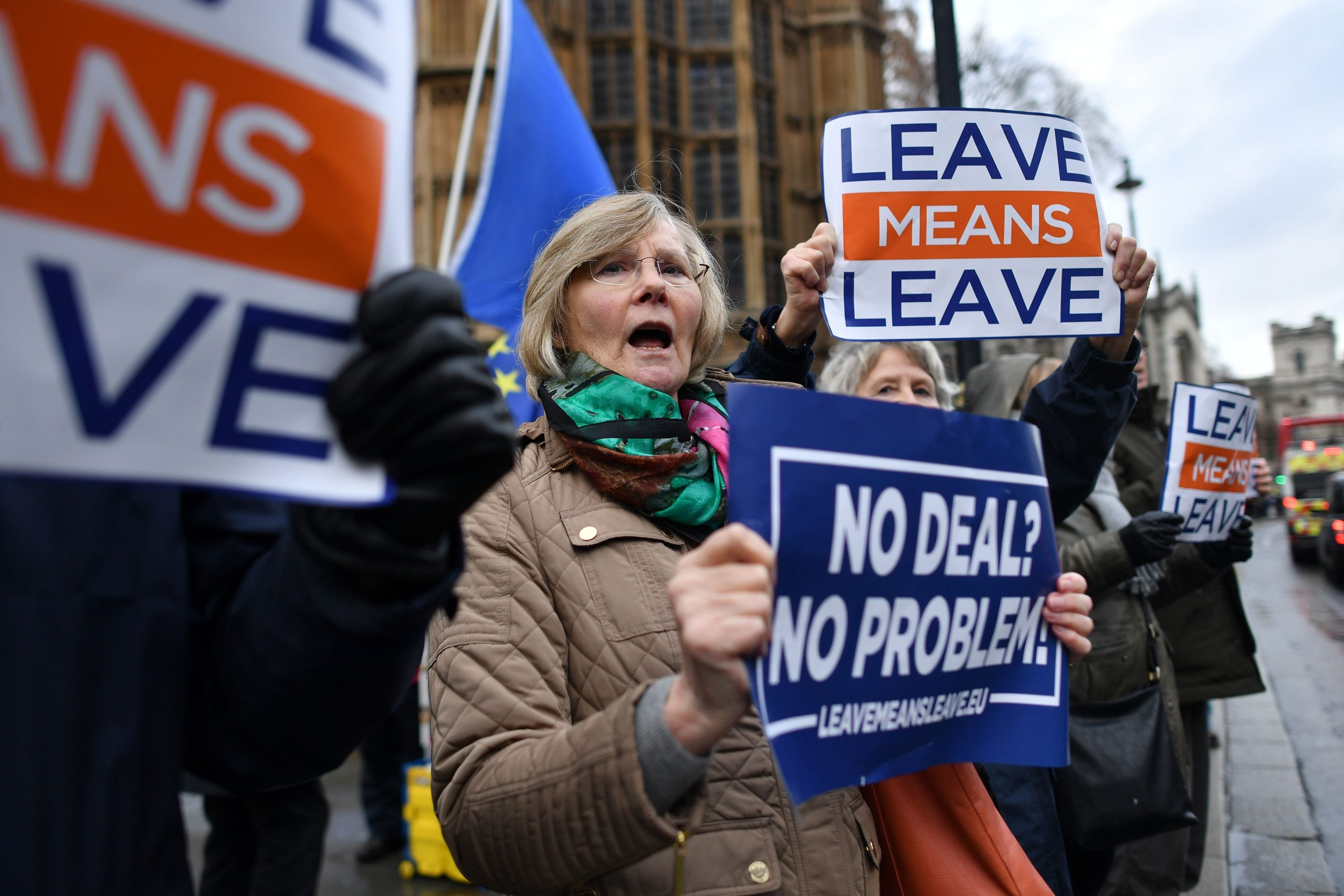
That night, a small protest formed near one of the closed facilities. No manifesto. No ideology. Just people who had lost jobs, hours, wages, routes, contracts. Some were angry. Some were scared. Some were bored, unemployed, cynical, or simply tired of being told that decisions were being made “for their own good.”
The signs were homemade.
The chants were clumsy.
By the third day, they weren’t.
Buses appeared. Sound systems improved. Messaging tightened. Slogans got shorter, cleaner, easier to repeat without knowing what the original safety models even said. Livestreams multiplied. Online accounts—new, polished, strangely fluent—began circulating clips with captions that framed the situation just right. Not anti-safety. Not reckless. Reasonable. Concerned. Focused on fairness, local authority, and the right to decide what risks were acceptable.
Foreign media outlets took interest. Nothing aggressive. Just curiosity. Panels discussed “regional autonomy.” Commentators half a world away praised the protesters’ restraint. Think tanks issued statements supporting “dialogue” and “local control of critical infrastructure.” Hashtags bloomed overnight in multiple languages.
Inside the state, few people noticed where the amplification came from. They only noticed that, for once, someone was paying attention.
And this is the part most people misunderstand.
Not all protesters need to be paid. In fact, most don’t. Paying people is crude, expensive, and easy to expose. What works far better is encouragement. Validation. Praise. Support. And most importantly—direction.
People who are already frustrated don’t need money. They need to be told they’re right. That their anger is justified. That they’re brave. That they’re standing up for something important. That history is watching even if they don’t have all the facts.
Once that happens, the crowd begins to fuel itself.
The real leverage comes next, and it’s subtle. Infiltration no longer looks like espionage. It looks like leadership. Organizers appear who seem sharper, more articulate, better prepared. They help refine messaging. They suggest chants. They frame demands. They quietly steer energy away from confusion and toward purpose.
From the inside, it feels organic.
From the outside, it looks spontaneous.
But something critical has changed: direction has been introduced.
That’s when a loose gathering of frustrated people becomes a movement—not because the grievance grew or even justified, but because someone helped aim it.
And the encouragement almost always looks benevolent. Supportive editorials. Sympathetic commentary. International praise. None of it feels hostile. None of it feels manipulative. It feels like finally being seen.
That’s why it works.
No one thinks they’re being used when they’re being applauded.
The original issue begins to blur. Engineers quietly revise timelines. Some facilities reopen. Others don’t. The safety order evolves. But by then, it no longer matters. The protest has become an identity. Questioning it feels like betrayal. Nuance feels like surrender.
The word “secession” appears first as a joke, then as a chant, then as a panel topic. Commentators insist it’s symbolic. A negotiating tactic. A thought experiment. Polls appear showing surprising numbers, though no one can quite explain who was surveyed or how.
The people waving flags believe they are reclaiming control. Local leaders let it happen.
They don’t see that the language they’re using has been tested elsewhere. That the framing arrived pre-packaged. That the encouragement coming from overseas and outside groups that do not have the peoples best intrest in mind. It has nothing to do with jobs, bridges, rail lines, or power grids—and everything to do with weakening the country those systems belong to.
They aren’t stupid.
They’re ready and evil.
But the truth is simpler—and harder to accept.
This didn’t become a revolution because infrastructure authority was overridden. That happens in every state, on different issues, all the time. Most of those moments burn out. People complain. Protests form. Life moves on.
This one didn’t.
Because evil outside interests noticed it.
They saw a small, emotional uprising that would have gone nowhere on its own. They saw anger that existed everywhere, but surfaced here at the right moment, in the right place. And they recognized opportunity.
They didn’t create the resentment.
They didn’t invent the protest.
They didn’t need to.
They fed it.
They amplified it.
They validated it.
They praised it.
They supplied leadership, language, and direction.
The general public accross the country fell into their trap.
They took a localized spark—one that should have fizzled out like dozens of others across the country—and gave it oxygen. Not because they cared about safety, or infrastructure, or local livelihoods, but because upheaval inside this country served their interests.
The protesters believed they were being supported.
In reality, they were being used.
Not through force.
Not through money.
But through encouragement that felt like solidarity and guidance that felt like empowerment.
Absent that outside influence, this would have been another footnote. Another protest that made noise and then faded. With it, the moment was inflated, steered, and hardened into something it was never destined to become.
That’s how disruption works now around the world.
Not by starting revolutions—
but by finding the ones that almost happened…
and making sure they don’t stop.
Discover more from Beebop's
Subscribe to get the latest posts sent to your email.


