
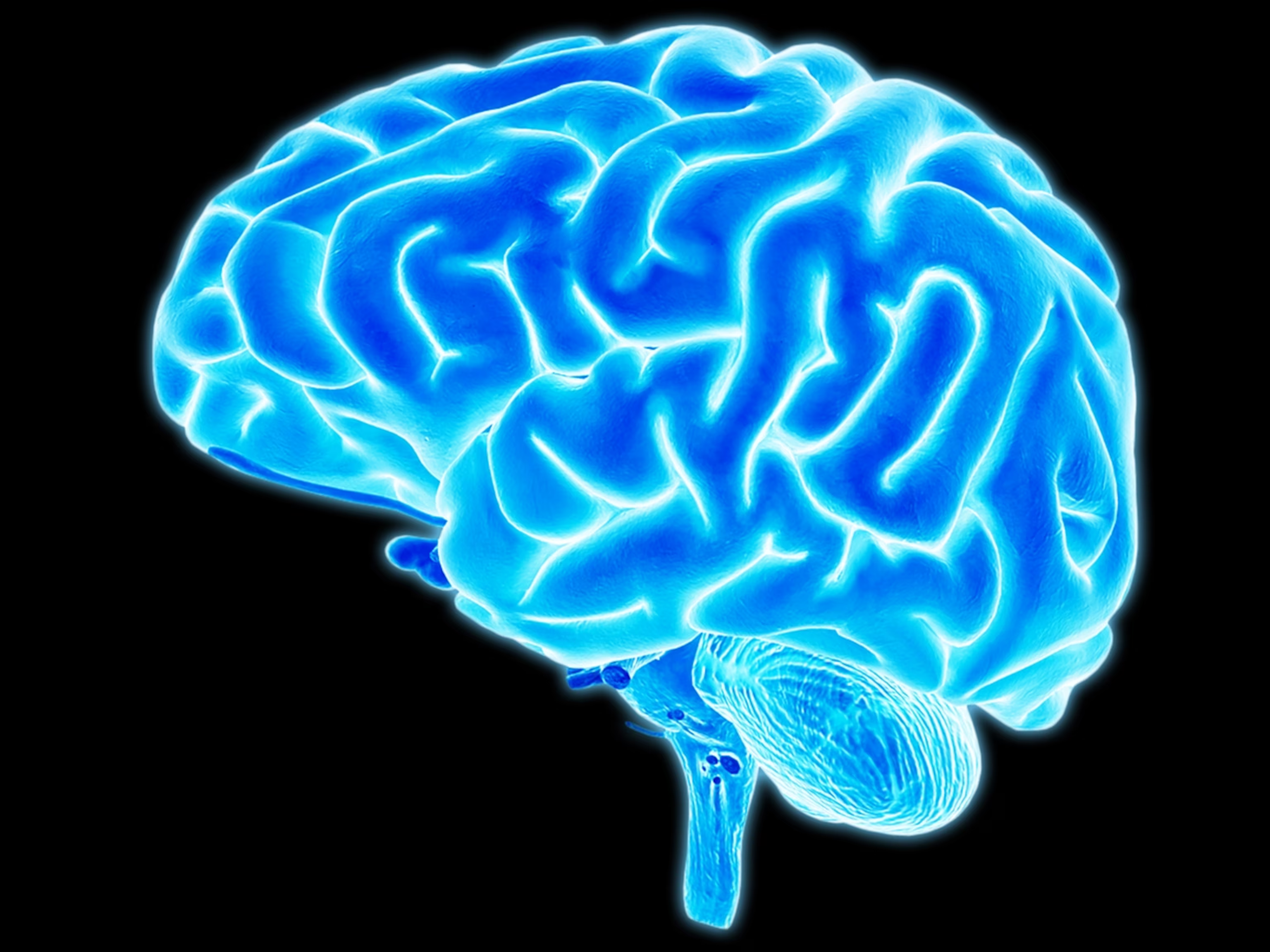
It all sounds good but here are the facts
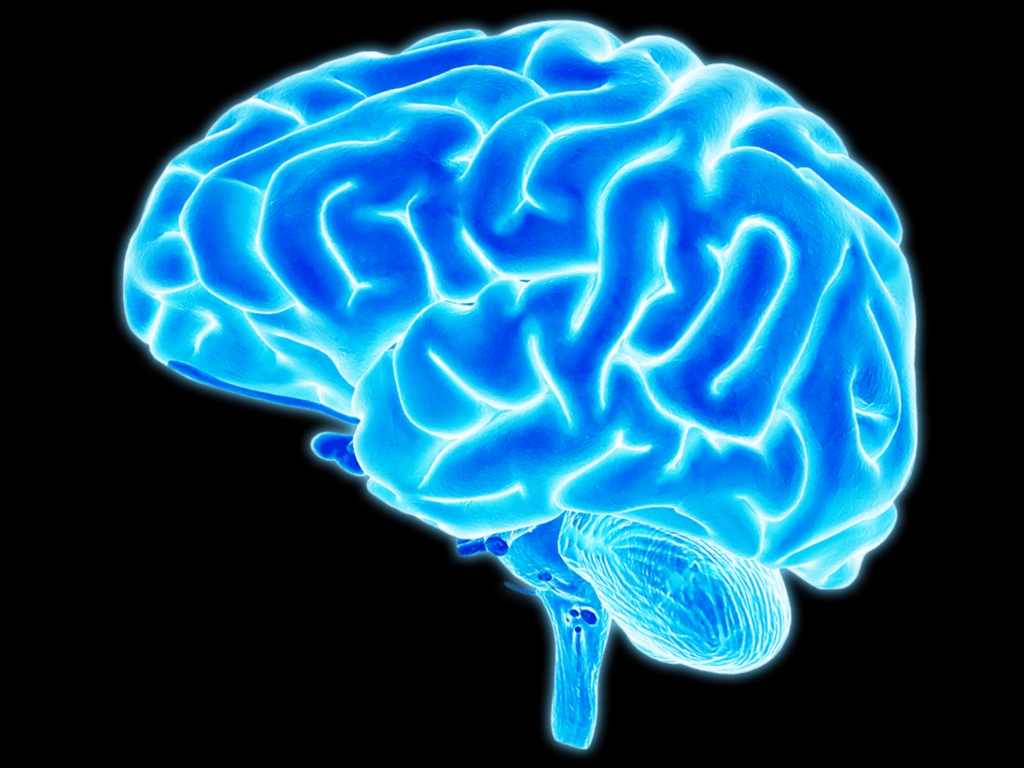
I keep reading these cheerful articles claiming that if you just stay mentally active, do some puzzles, read a book, learn a new language, have a formal education, talk to your neighbors, and take up a hobby, you’ll magically keep your brain young forever. And every time I see that, I roll my eyes. Because that’s not how life works, and it’s certainly not what I’ve seen.
I’ve known plenty of people who did all of that — stayed busy, stayed social, worked complicated jobs, read constantly, learned new things — and they still ended up in cognitive decline. So I don’t buy the idea that mental stimulation alone is the magic key. I don’t even half-buy it.
What I’ve seen over and over is that genetics, diet, inflammation, sugar, carbs, overeating, lack of sleep, and overall metabolic health do far more damage to the brain than any crossword puzzle ever saved. The brain is an organ. It reacts to biology, not hobbies.
People love to say that these things protects the brain, but real-world evidence and cleaner-data populations tell a different story. Yes, studies show that educated people often show symptoms later, but they don’t actually suffer less brain damage — they just have more “reserve” to lose before it becomes noticeable. Meanwhile, regions of the world with very little formal schooling but extremely clean diets — low sugar, low processed food, low alcohol, low inflammation — have dramatically lower rates of cognitive decline overall. That tells me the real driver isn’t how many books you’ve read or what degree you earned, but the biology underneath: genetics, diet, blood sugar, inflammation, and metabolic health. Education and brain activity might delay the signs, but clean living determines whether the decline happens in the first place.
And alcohol absolutely belongs on that list too. People don’t like hearing it, but alcohol shrinks brain tissue, inflames it, disrupts sleep, messes with blood sugar, and accelerates the very metabolic damage that leads to cognitive decline. Even light drinking isn’t harmless the way people want to believe. Alcohol is a brain-aging chemical — plain and simple.
So yes, cognitive reserve by staying mentally active exists. The brain can build extra wiring and backup pathways. But that resilience only works if the underlying biology is healthy. You won’t out-think decades of inflammation, bad diet, sugar, alcohol, and metabolic strain. You won’t out-puzzle the effects of insulin resistance. You won’t out-learn genetics.
Mental stimulation is icing. The real protection comes from diet, lifestyle, weight control, blood sugar stability, clean eating, and keeping inflammation low. That’s what keeps a brain sharp — not doing puzzles and hoping for the best.
Discover more from Beebop's
Subscribe to get the latest posts sent to your email.

 Beebop's